SPF vs PA Rating Explained: What Each Number Protects Against
- Published on
SPF vs PA Rating Explained: What Each Number Protects Against
Sunscreen bottles carry two ratings that sound interchangeable and are not. SPF measures protection from UVB; the PA rating measures protection from UVA. They guard against different parts of sunlight that do different damage, which is why a high SPF alone does not mean a sunscreen is doing its whole job. Here is how to read both.
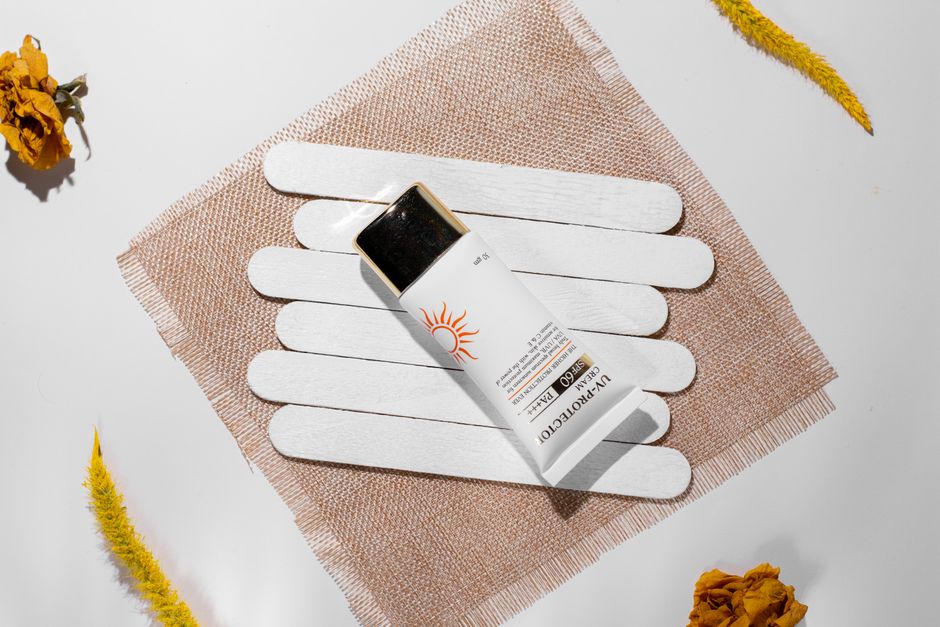
Two Kinds of UV, Two Numbers
Sunlight that reaches your skin comes in two relevant flavors:
- UVB is the burning ray. It hits the surface, causes sunburn, and is the main driver behind most skin cancers. SPF is its scorecard.
- UVA is the aging ray. It penetrates deeper, drives wrinkles and pigmentation, and passes through clouds and windows. The PA rating (and the term "broad spectrum") is its scorecard.
A sunscreen with SPF 50 and no UVA protection will stop you burning while letting the aging, deeper-penetrating rays through. That is the gap the two-number system exists to close.
What SPF Actually Tells You
SPF — Sun Protection Factor — is roughly how much longer you can stay in the sun before UVB starts to burn you, compared to bare skin. More usefully, it maps to a percentage of UVB blocked:
| SPF | UVB blocked (approx) |
|---|---|
| SPF 15 | ~93% |
| SPF 30 | ~97% |
| SPF 50 | ~98% |
| SPF 100 | ~99% |
Notice the diminishing returns. The jump from SPF 30 to 50 adds about one percentage point, and SPF 100 is not "twice" SPF 50. This is why dermatologists generally say SPF 30–50 is the practical sweet spot, and why how much you apply and how often you reapply matters far more than chasing a bigger number. Most people apply about a quarter of the amount used in testing, which quietly turns their SPF 50 into something much lower.
What the PA Rating Tells You
PA — Protection Grade of UVA — is the Asian system (originating in Japan) that grades UVA protection in plus signs:
| Rating | UVA protection |
|---|---|
| PA+ | Some |
| PA++ | Moderate |
| PA+++ | High |
| PA++++ | Very high |
More pluses, more UVA defense. For daily use a PA+++ or higher is a sensible target. In the US, sunscreens do not use the PA system; instead they label "broad spectrum," which means the product passed a test for meaningful UVA protection alongside its SPF. So depending on where your sunscreen was made, you are looking for either PA++++ or the words "broad spectrum" — both are pointing at the same thing.
Reading a Bottle in Practice
- Find the SPF — aim for 30 to 50 for everyday use.
- Find the UVA rating — either a PA grade (PA+++ or higher) or the words "broad spectrum."
- If only SPF is listed with no UVA indicator, the bottle is telling you it may not protect against aging rays — treat that as a half-finished sunscreen.
The single most common mistake is buying on SPF alone. A broad-spectrum SPF 30 protects you more completely than an SPF 50 with no UVA defense.
Frequently Asked Questions
What is the difference between SPF and PA? SPF rates protection against UVB (burning) rays; PA rates protection against UVA (aging) rays. You want both — a high SPF with a weak or missing UVA rating leaves you exposed to deeper, aging damage.
Is PA++++ better than PA+++? Yes, more plus signs mean stronger UVA protection. PA++++ is the highest grade. For daily use PA+++ is generally sufficient; PA++++ is worth it for intense sun exposure.
Does SPF 50 protect twice as much as SPF 25? No. SPF 50 blocks about 98% of UVB and SPF 25 about 96% — only a couple of percentage points apart. The number is not linear, and proper application matters far more than the SPF figure.
What does broad spectrum mean on sunscreen? Broad spectrum means the sunscreen protects against both UVB and UVA, having passed a UVA test. In the US it is the equivalent of a PA rating elsewhere — both confirm meaningful UVA protection.
Ratings are half the picture. Our sunscreen buying guide covers mineral vs chemical formulas, texture, and how to apply enough.
Related Guides
6 Sunscreen Buying Mistakes: SPF Is Only Half the Protection
A high SPF with no UVA protection, a formula you hate wearing, and using a fraction of the amount needed are why sunscreen quietly fails. Here are the label and usage mistakes to avoid.
The Ultimate Scientific Guide to Sunscreen: UV Protection Mechanisms & Photoaging
What’s the real difference between SPF50 and SPF30? Is there a meaningful distinction between PA+++ and PA++++? Which is better, physical or chemical sunscreen? How often should you reapply? Do you need sunscreen on clou
Baby Skincare Buying Guide: Choosing Safe and Effective Products for Sensitive Skin
Learn what ingredients and features to look for in baby lotions, sunscreens, and bath products to prevent irritation and allergies. Expert tips for sensitive skin.
Summer Cooling Clothing: Which Fabrics Actually Keep You Cool?
Compare merino wool, linen, and other breathable fabrics to choose the best summer clothing for comfort, sweat management, and odor control.