Summer Cooling Clothing: Which Fabrics Actually Keep You Cool?
- Published on
When summer heat strikes, the wrong fabric can turn a simple walk into a sticky, sweaty ordeal. Many people default to cotton, but cotton soaks up moisture and holds it against your skin, leaving you clammy and uncomfortable. The real heroes of summer dressing are high-performance natural fibers like merino wool and linen, which actively manage moisture, regulate temperature, and resist odors. This guide breaks down the key parameters to look for so you can stay cool, dry, and fresh all season long.
The Science of Staying Cool: Moisture Management
The most important property of a summer fabric is how it handles moisture. You want a fabric that wicks sweat away from your skin and releases it into the air quickly. This is measured by moisture regain — the percentage of water a fiber can absorb relative to its dry weight. Higher regain means better absorption, but the fabric must also release that moisture efficiently to avoid feeling wet.
| Fiber | Moisture Regain (%) | Key Characteristics |
|---|---|---|
| Merino Wool | 15-19 | Excellent absorption, odor control, temperature regulation |
| Linen (flax, hemp, ramie) | 12 | Superior breathability, rapid drying, natural antibacterial |
| Cotton | 8.5 | Absorbs but dries slowly, feels wet when sweaty |
| Polyester | 0.4 | Wicks but can trap odors, less breathable |
| Nylon | 4.5 | Durable but poor moisture management |
As the table shows, merino wool and linen outperform cotton significantly. Merino wool can absorb over 70% more moisture than cotton, while linen's unique fiber structure allows air to flow freely, making it up to 10 times more breathable than cotton.

Merino Wool: The Temperature Regulator
Merino wool is not your grandmother's scratchy sweater. Modern merino, especially superfine merino with fiber diameters under 20 microns (µm), is incredibly soft and comfortable against the skin. The natural crimp in wool fibers creates tiny air pockets that insulate — keeping you cool in heat and warm in cool air-conditioned spaces, much like a thermos.
What to Look For in Merino Wool
- Fiber fineness: Look for superfine merino with an average diameter of 16.5 µm or less. The finer the fiber, the softer and less itchy it feels. For reference, human hair is about 80 µm thick. A 16.5 µm fiber is roughly five times thinner.
- Purity and origin: Check the label for 100% merino wool. High-quality merino often comes from Australia or New Zealand, where the sheep are bred for fine fibers.
- Care: Many modern merino garments are machine-washable on a gentle cycle with a laundry bag. Look for this feature for convenience.
- Weight: A fabric weight around 180 g/m² is ideal for summer — light enough to be breathable but substantial enough to avoid transparency.
Merino wool also naturally resists odors by absorbing the bacteria that cause smell, making it perfect for multi-day wear or active use.
Linen: The Breathable Classic
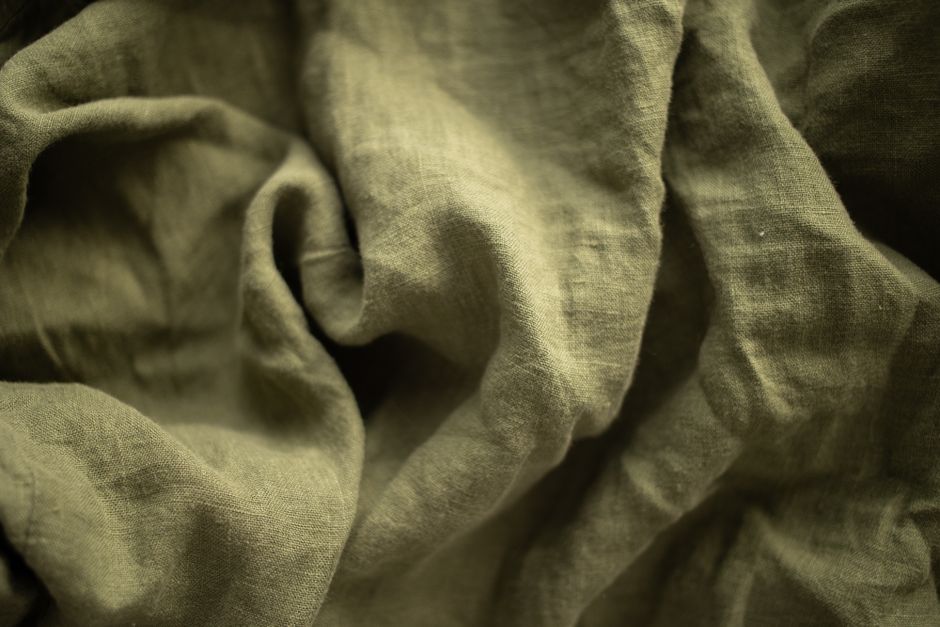
Linen, made from flax, hemp, or ramie, has been used for thousands of years to beat the heat. Its fibers are hollow with natural channels that wick moisture away and allow air to circulate. This makes linen exceptionally breathable and quick-drying.
Types of Linen
- Flax linen: The most common, known for its crisp texture and excellent breathability.
- Hemp linen: Even stronger and more absorbent than flax, with natural antibacterial properties.
- Ramie linen: Similar to flax but with a silkier luster.
What to Look For in Linen
- Fabric weight: Lighter weights (100-150 g/m²) are best for extreme heat; medium weights (150-200 g/m²) offer a balance of drape and durability.
- Blends: Linen blended with a small percentage of synthetic fibers (e.g., 70% linen, 30% polyester) can reduce wrinkling while retaining breathability.
- Weave: A plain weave is most breathable; twill weaves are more durable but slightly less airy.
- Care: Linen can be machine-washed in cold water with mild detergent. Avoid bleach and high heat drying. Hang to dry and iron while damp if desired.
Cotton: The Common Mistake
Cotton is comfortable and affordable, but it's a poor choice for hot, sweaty conditions. Cotton fibers absorb moisture but hold it within the fiber, so the fabric stays wet against your skin. This not only feels unpleasant but can also lead to chafing and odor as bacteria thrive in the damp environment. Save cotton for low-activity, air-conditioned settings.
Synthetic Fibers: The Activewear Alternative
Polyester and nylon are common in athletic wear because they wick moisture quickly and dry fast. However, they lack the natural odor resistance of merino and linen, and they can trap heat in still air. For high-intensity sports where you need maximum wicking, look for polyester blends with anti-odor treatments or nylon with moisture-wicking finishes. For casual wear, natural fibers are generally more comfortable.
Quick Checklist: What to Check Before Buying
- Fabric composition: Look for 100% merino wool or 100% linen (or a blend with a small percentage of synthetic for durability). Avoid pure cotton for active use.
- Fiber fineness (wool): Choose superfine merino with diameter ≤ 16.5 µm for softness.
- Fabric weight: 150-200 g/m² for linen, 180 g/m² for wool — light but not see-through.
- Breathability: Check for loose weaves or open knits that allow air flow.
- Odor resistance: Merino wool is naturally odor-resistant; linen has antibacterial properties.
- Care instructions: Machine-washable options save time. Always use cold water and gentle cycles.
- Fit: A relaxed or regular fit allows air circulation; avoid overly tight clothing.
FAQ
Can I wear merino wool if I have sensitive skin?
Yes, as long as you choose superfine merino with fiber diameters under 20 µm. The fineness minimizes itchiness. Many people with sensitive skin find 16.5 µm or finer merino very comfortable. If you're still unsure, look for a brand that offers a satisfaction guarantee or try a small garment first.
How do I wash linen to keep it looking good?
Machine wash linen in cold water on a gentle cycle with a mild detergent. Avoid fabric softeners as they can reduce breathability. Hang or lay flat to dry — do not tumble dry, as high heat can shrink and damage the fibers. Iron while slightly damp for a crisp look, or embrace the natural wrinkles for a relaxed style.
Is linen or merino wool better for humid climates?
Linen is generally better for high humidity because its open weave allows more air circulation, helping sweat evaporate faster. Merino wool still performs well due to its moisture absorption, but it can feel warmer in very humid, still air. For extremely humid conditions, choose lightweight linen. For variable conditions (e.g., air-conditioned offices and hot outdoors), merino wool's temperature regulation is a strong advantage.
See more skincare and personal care guides and outdoor and fitness guides.