Paint Sheen Explained: Matte vs Eggshell vs Satin vs Semi-Gloss
- Published on
Paint Sheen Explained: Matte vs Eggshell vs Satin vs Semi-Gloss
Two cans of the same color can look like different paints once they dry, and the reason is sheen — how much light the finish reflects. Sheen is the spec that decides how washable a wall is and how mercilessly it shows flaws, and getting it wrong is the most common way a paint job disappoints. Pick the color for the room; pick the sheen for the surface and how the room gets used.
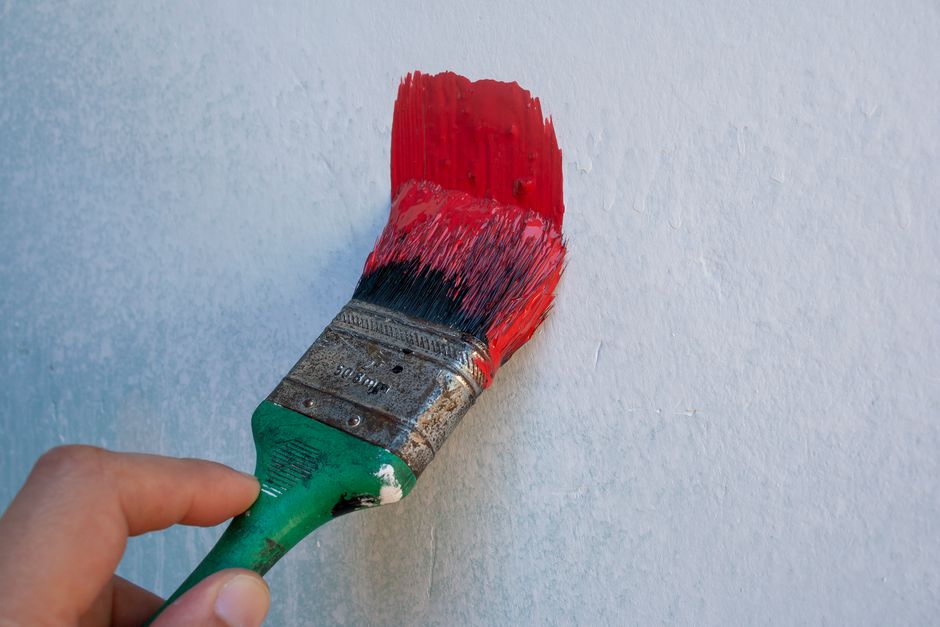
The Sheen Ladder
Finishes run from flat (no reflection) to high-gloss (mirror-like). Each step up reflects more light, hides fewer imperfections, and wipes clean more easily. That trade-off — hiding flaws versus surviving a sponge — is the whole decision.
| Sheen | Look | Durability / washable | Best for |
|---|---|---|---|
| Flat / Matte | No shine | Low | Ceilings, low-traffic adult bedrooms |
| Eggshell | Soft, low glow | Moderate | Living rooms, most walls |
| Satin | Gentle sheen | Good | Hallways, kids' rooms, busy walls |
| Semi-gloss | Noticeably shiny | High | Trim, doors, kitchens, bathrooms |
| High-gloss | Mirror-like | Very high | Cabinets, accent trim, furniture |
Flat and Matte: Hides Everything, Survives Nothing
A flat finish reflects almost no light, which makes it the best at hiding bumps, patches, and roller marks — it visually erases an uneven wall. That is why it is the default for ceilings and a favorite for bedrooms where the walls do not get touched. The cost is fragility: matte paint is hard to clean, and scrubbing a scuff often burnishes a shiny spot or pulls off color. Newer "washable matte" paints have narrowed this gap, but the rule of thumb holds — the flatter the finish, the more forgiving to the eye and the less forgiving to a sponge.
Eggshell: The Default for Most Walls
Eggshell sits one step up, with the soft, barely-there glow of an actual eggshell. It hides minor wall flaws well while standing up to the occasional wipe, which is why it is the safe, all-purpose choice for living rooms, dining rooms, and most interior walls. If you are repainting a home and do not want to think hard about every room, eggshell on the walls is the answer that rarely disappoints.
Satin: When the Wall Gets Touched
Satin has a clear, gentle sheen and noticeably better washability than eggshell. This is the finish for surfaces that take abuse — hallways where shoulders brush the wall, kids' rooms, mudrooms, and anywhere fingerprints and scuffs accumulate. The catch is that the added reflectivity starts to reveal wall imperfections and lap marks during application, so satin demands a bit more care with surface prep and rolling technique.
Semi-Gloss and High-Gloss: Trim and Wet Rooms
Semi-gloss is noticeably shiny, tough, and moisture-resistant, which makes it the standard for trim, doors, window casings, and the walls of kitchens and bathrooms where steam and splashes are constant. The shine is a feature here: it wipes down easily and resists moisture. High-gloss takes this further to a near-mirror finish used on cabinets and accent details — beautiful and bulletproof, but it broadcasts every underlying flaw, so the surface beneath has to be near-perfect.
A Practical Rule
Match sheen to how often the surface gets touched and wet:
- Rarely touched, you want it to look smooth: flat or matte (ceilings, formal bedrooms).
- Normal living, occasional wipe: eggshell (most walls).
- High traffic, hands and scuffs: satin (hallways, kids).
- Splashes, steam, or it must scrub clean: semi-gloss (kitchens, baths, all trim).
Frequently Asked Questions
What is the difference between eggshell and satin? Both have a low sheen, but satin reflects a bit more light and is more washable and durable, while eggshell hides wall imperfections better. Use eggshell for general walls, satin for high-traffic areas that get touched.
What paint sheen is best for a bathroom? Semi-gloss. Its shine resists moisture and wipes clean easily, which matters in a room full of steam and splashes. Satin is an acceptable step down if you prefer less shine.
Does flat paint hide wall imperfections? Yes — flat and matte finishes reflect the least light, so they hide bumps, patches, and roller marks better than any other sheen. The trade-off is that they are the hardest to clean.
What sheen should I use on trim and doors? Semi-gloss or high-gloss. Trim takes knocks and fingerprints, and the harder, shinier finish resists damage and wipes clean, while also visually separating the trim from flatter walls.
Sheen is one of several paint specs. Our latex paint buying guide covers VOC levels, coverage, and washability together.
Related Guides
How to Choose Interior Paint? VOC Content and Mold-Resistant Rating Are the Parameters That Truly Affect Health
Feeling a burning sensation in your nose after moving into a newly renovated home, or your child coughing frequently — a significant part of the cause may be the paint. This article helps you understand the key parameters of interior wall paint.
Home Renovation Without Demolition: Smart Design Solutions for Common Pain Points
Transform your home without major structural changes. Learn how clever design can solve common living pain points like clutter, poor lighting, and awkward layouts.
Home Renovation Mistakes: Avoid Common Pitfalls in Layout, Storage & Space
Learn from real renovation cases to avoid common mistakes in layout, storage, and space utilization, ensuring your remodel is functional and beautiful.
6 Gaming Chair Buying Mistakes: Racing Looks Aren't Ergonomics
A bucket seat that looks fast but wrecks your back, foam that flattens in a year, and a size that doesn't fit you are the classic gaming-chair traps. Here's what actually matters.