Home Renovation Without Demolition: Smart Design Solutions for Common Pain Points
- Published on
Renovating a home doesn't always require tearing down walls. Many common living pain points—clutter, poor lighting, awkward layouts—can be solved with smart design adjustments that leave the main structure intact. By focusing on furniture, lighting, storage, and subtle spatial tweaks, you can transform a space to better suit your family's needs without the dust and expense of demolition.
Start with the Pain Points, Not the Aesthetics
The best renovations begin by identifying what doesn't work in your daily life. Is the entryway a chaotic drop zone? Does the living room feel cold and uninviting? Are you constantly tripping over toys? Once you list your top frustrations, design solutions become clear. For example, if the entry lacks a proper landing zone, a custom cabinet with open shelving and a bench can create instant order. If the living room feels sterile, a large rug and warm lighting can soften the space.
Smart Storage: The Foundation of a Functional Home
The "800 Closet" for High-Traffic Zones
For families with kids or multiple members, a dedicated storage closet near the entry—often called an "800 closet" (referring to its 80 cm depth)—can be a game-changer. Instead of a shallow shoe cabinet, carve out a deep closet (60-80 cm) to stow strollers, sports gear, and coats. Use adjustable metal shelving inside so the system can adapt as children grow and needs change.
Low-Level Open Storage for Kids
In living rooms and play areas, keep the bottom 30-50 cm of cabinetry open with large drawers or bins. This puts toys and books within easy reach of young children, encouraging them to tidy up independently. It also keeps the floor clear of clutter. For a seamless look, choose bins that match the room's color scheme.
Hidden Laundry Zones
Laundry areas can be a source of visual clutter. One clever solution is to install a pull-out drying rack above the washer and dryer, allowing you to hang delicates or wrinkle-prone items immediately. Another is to place the washer and dryer on a raised platform (about 30 cm high) so you don't have to bend down to load and unload—a huge relief for anyone with back issues. The space underneath can be used for pull-out drawers holding detergents and supplies.
Lighting: The Secret to Atmosphere and Function
Good lighting transforms a room more than any other single element. Instead of relying on a single overhead fixture, layer your lighting:
- Ambient lighting: Recessed ceiling lights or a central fixture provide general illumination.
- Task lighting: Under-cabinet lights in the kitchen, reading lamps by the sofa, and vanity lights in the bathroom make specific activities easier.
- Accent lighting: Wall sconces, picture lights, or LED strips behind a headboard or along a staircase add depth and drama.
For a modern look, consider a "no-main-light" approach using track lights, linear LEDs, and floor lamps. This creates a cozy, layered effect that can be adjusted for different moods.

Furniture and Layout: Work with What You Have
Rugs as Room Anchors
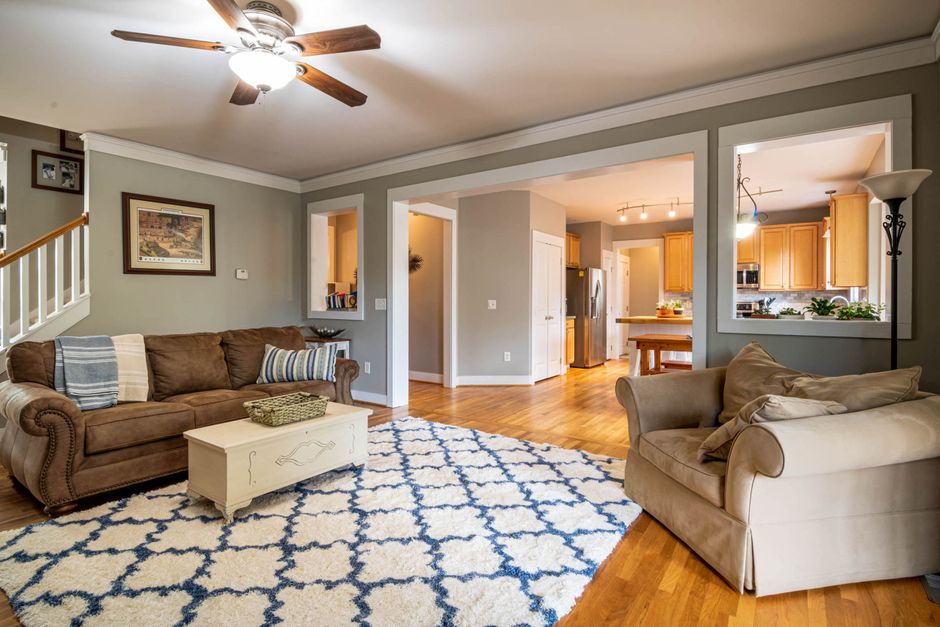
If you dislike your flooring but can't replace it, a large area rug can redefine the space. Choose a rug that extends under the front legs of your sofa and chairs to create a cohesive seating area. This softens hard floors and adds warmth.
Multi-Functional Furniture
Look for pieces that serve double duty: an ottoman with hidden storage, a coffee table that lifts to become a desk, or a bench with shoe storage underneath. In small bedrooms, consider a loft bed with a desk or seating below.
Borrowing Light
If a room feels dark, you can "borrow" light from an adjacent space by adding a window or glass panel in an interior wall. For example, a pass-through window between a kitchen and dining area, or a glass door between a bedroom and hallway, can brighten both spaces without major construction.
Quick Checklist
- Identify your top 3 pain points (e.g., clutter, poor lighting, lack of storage).
- Add a deep "800 closet" near the entry for bulky items.
- Install low open shelving or drawers in living areas for kids' toys.
- Elevate washer/dryer to reduce bending; add pull-out drawers below.
- Layer lighting: ambient, task, and accent.
- Use a large rug to anchor the living room and hide unwanted flooring.
- Consider a glass interior window to borrow light into dark rooms.
- Choose multi-functional furniture to maximize space.
FAQ
How can I make a small entryway more functional without knocking down walls?
Install a wall-mounted cabinet with a bench and open shelves. Use hooks for coats and bags, and add a shallow drawer for keys and mail. If space allows, create a small drop zone with a mirror and a basket for shoes.
What's the best way to hide laundry clutter in a small apartment?
Use a cabinet with a pull-out drying rack above the washer/dryer, or install a retractable clothesline in the bathroom. Store detergents in matching containers on a shelf or in a rolling cart that can be tucked away.
How do I choose between a shower curtain and a glass door?
If you have young children or a small bathroom, a shower curtain is more practical—it's cheaper, easy to replace, and allows for a bathtub. For a cleaner look and better water containment, a glass door is preferable, but it requires regular cleaning to prevent water spots. A compromise is a half-glass panel with a slight slope on the shower floor to direct water.
Further Reading
For more ideas on transforming your home without major renovations, check out our guides on home living solutions and space-saving furniture.
Related Guides
Kitchen Countertop Buying Guide: Quartz vs. Sintered Stone
Kitchen countertops face daily exposure to grease, stains, and knife cuts. Choose the wrong material, and you'll regret it for a decade. How do you decide between quartz, sintered stone, and stainless steel? We'll cover
How to Choose a Mattress by Specs (Not Brands)
Stop falling for mattress marketing. Learn the 6 core specs that determine whether a mattress is worth your money — firmness, support layers, motion isolation, cooling tech, sleep trial, and warranty.
Best Gaming Chairs 2026: Comfort, Lumbar Support & Value Picks
A good gaming chair is about lumbar support, seat depth, and build quality — not RGB or racing looks. This guide explains what actually matters for long sessions, how gaming chairs compare to ergonomic office chairs, and the best picks at every budget.
Home Water Filter Buying Guide 2025: RO vs Under-Sink vs Countertop vs Whole House, NSF Certifications, What Each Filter Type Actually Removes
Water filtration systems span from simple activated carbon pitchers to whole-house reverse osmosis systems. Choosing the right one requires knowing what is actually in your water and which filter type addresses those contaminants. This guide covers NSF certifications, RO vs carbon filtration, and practical installation considerations.