Home Renovation Mistakes: Avoid Common Pitfalls in Layout, Storage & Space
- Published on
Renovating a home is an exciting journey, but it's easy to fall into traps that leave you with a space that looks good but doesn't work for your daily life. From poor storage planning to ignoring family needs, many mistakes are preventable. This guide synthesizes lessons from real renovation projects to help you avoid common pitfalls and create a home that truly serves everyone.

Understanding Your Family's Needs First
The biggest mistake is designing for aesthetics alone. A beautiful home that doesn't accommodate your family's lifestyle will quickly become frustrating. Before picking paint colors or furniture, map out how each family member uses the space.
The Multi-Generational Trap
Many renovations fail because they don't consider all ages. For example, a home with elderly parents needs barrier-free pathways and easy-to-reach storage, while children need safe play zones and accessible toy storage. One common oversight is installing low cabinets that force seniors to bend, or high shelves that kids can't reach. The solution is to design zones for each age group within shared spaces.
Layout and Space Planning
Don't Knock Down Walls Unnecessarily
A popular trend is to open up everything, but removing walls isn't always the answer. In many cases, you can transform a space with soft furnishings, lighting, and smart storage without structural changes. For instance, a 120m² apartment for a family of six kept all original walls but used custom cabinetry and strategic furniture placement to create distinct zones. This saves money and avoids potential structural issues.
The "800库" (800mm Deep Closet) Secret
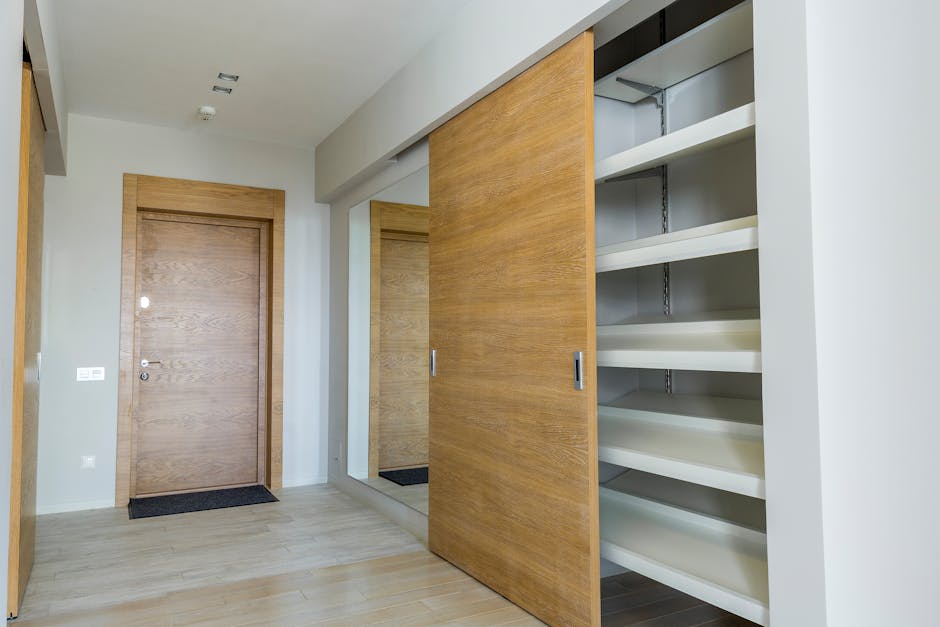
For families with children, the entryway is a major pain point. A traditional shoe cabinet can't handle strollers, sports gear, and backpacks. If space allows, carve out a 60-80cm deep closet (often called an "800库") near the entrance. Use adjustable metal shelving inside so the storage can grow with your children's changing needs. This keeps clutter hidden and makes morning routines smoother.
Storage That Actually Works
The "Golden Height" for Kids
A common mistake is filling entire walls with closed cabinets. Children can't reach high shelves, so toys end up on the floor. Instead, leave the bottom 30-50cm of wall cabinets open with large drawers or bins. This lets kids easily put away their own toys, teaching independence and keeping the room tidy.
Hidden Drying Zones for Laundry
Laundry clutter is a major eyesore. Instead of a traditional drying rack in the middle of the balcony, consider a side-mounted cabinet with a pull-out drying rack. When not in use, the cabinet doors close to hide everything. Even add small ventilation holes to speed drying. This simple trick transforms a messy balcony into a clean, usable space.
Bathroom Design: To Shower Enclosure or Not?
One of the most debated topics is whether to install a glass shower enclosure. Each option has trade-offs:
| Option | Pros | Cons |
|---|---|---|
| Glass enclosure | Complete separation, no water splashing | Higher cost, water spots need cleaning |
| Shower curtain | Cheap, easy to replace, good for kids' baths | Water can escape, can get moldy |
| Walk-in with half-wall | Easy to clean, robot vacuum can enter | Some water still splashes out |
For small bathrooms or families with young children, start with a shower curtain (easy for bath time) and upgrade later. But if you hate wet floors, invest in a glass enclosure. Another smart trick: sink the shower area 2cm lower to create a subtle dam that reduces water escape.
Move the Sink Outside
In tiny bathrooms, consider relocating the sink to the hallway. This frees up space inside for just a toilet and shower. Pair it with a wall-mounted faucet to save counter space and eliminate cleaning around the base. This simple change can make a cramped bathroom feel twice as large.
Laundry Area Ergonomics
Raise Your Washer and Dryer
Traditional laundry setups have you bending or squatting to retrieve clothes. By raising the washer and dryer on a platform, you eliminate back strain. The space underneath becomes perfect for pull-out drawers holding detergents and cleaning supplies. Even better, integrate a side compartment for your robot vacuum to create a cleaning station.
Double Pull-Out Hanging Rack
Above the machines, install a two-tier pull-out hanging rack. This serves as a staging area: hang clothes immediately after washing to shake out wrinkles, air-dry delicates, or simply organize before moving to the main drying area. It streamlines the entire laundry process.
Quick Checklist
- Family needs analysis: List how each person uses each room.
- Storage zones: Include low access for kids, easy reach for adults, and hidden solutions for clutter.
- Bathroom layout: Decide on shower enclosure based on family habits; consider sink relocation.
- Laundry ergonomics: Raise machines, add pull-out racks, and hide drying areas.
- Lighting layers: Use ambient, task, and accent lighting to create mood and function.
- Future-proof: Use adjustable shelving in closets to adapt as children grow.
FAQ
How do I balance open shelving and closed storage?
Use the 80/20 rule: 80% closed storage for hiding clutter, 20% open for display or frequently used items. Open shelving looks great but requires constant tidying. For families, prioritize closed cabinets in high-traffic areas like the living room and entryway.
Is it worth removing walls to create an open floor plan?
Only if it improves your daily flow. If you have a large family and need quiet zones, keeping some walls can be beneficial. Instead of demolition, use furniture, rugs, or sliding partitions to define spaces without structural changes. This is cheaper and reversible.
What's the best way to handle laundry in a small apartment?
Consider a combination washer-dryer or stackable units to save floor space. If possible, locate the laundry near bedrooms to minimize carrying clothes. Use a retractable drying rack over the bathtub or a foldable rack that can be stored in a closet.
For more tips, see our home renovation guides and home living guides.
Related Guides
Kitchen Countertop Buying Guide: Quartz vs. Sintered Stone
Kitchen countertops face daily exposure to grease, stains, and knife cuts. Choose the wrong material, and you'll regret it for a decade. How do you decide between quartz, sintered stone, and stainless steel? We'll cover
How to Choose a Mattress by Specs (Not Brands)
Stop falling for mattress marketing. Learn the 6 core specs that determine whether a mattress is worth your money — firmness, support layers, motion isolation, cooling tech, sleep trial, and warranty.
Best Gaming Chairs 2026: Comfort, Lumbar Support & Value Picks
A good gaming chair is about lumbar support, seat depth, and build quality — not RGB or racing looks. This guide explains what actually matters for long sessions, how gaming chairs compare to ergonomic office chairs, and the best picks at every budget.
Home Water Filter Buying Guide 2025: RO vs Under-Sink vs Countertop vs Whole House, NSF Certifications, What Each Filter Type Actually Removes
Water filtration systems span from simple activated carbon pitchers to whole-house reverse osmosis systems. Choosing the right one requires knowing what is actually in your water and which filter type addresses those contaminants. This guide covers NSF certifications, RO vs carbon filtration, and practical installation considerations.