Home Appliance Energy Saving Myths: What Actually Works
- Published on
Many households are shocked by high electricity bills, often blaming old appliances or low energy ratings. However, the real culprit is usually not the appliance itself but how it is used. Simple changes in daily habits and settings can cut your energy consumption dramatically without sacrificing comfort. This guide debunks common myths and reveals what actually works for air conditioners, refrigerators, water heaters, TVs, washing machines, and kitchen appliances.
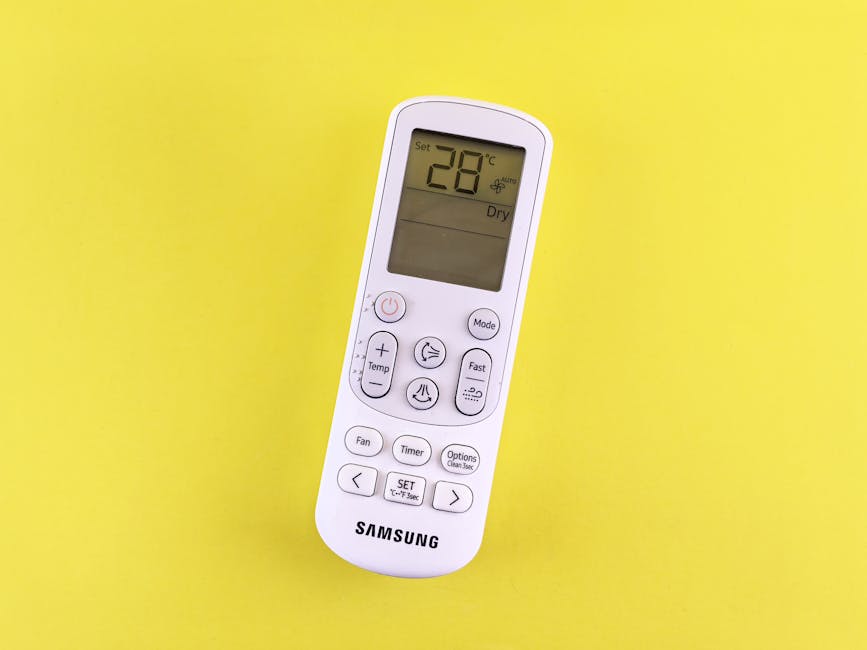
Air Conditioner: The Biggest Energy Hog – But Not for the Reason You Think
The air conditioner is often the largest contributor to summer electricity bills, but many people use it in the most inefficient way possible. The common belief that turning it off when leaving a room saves energy is actually counterproductive for inverter ACs. Frequent start-ups cause the compressor to run at high power to cool the room from scratch, consuming more energy than if it had been left running at a stable temperature.
What Actually Works:
- Set a reasonable temperature: Instead of sticking to 26°C (78°F), try 27-28°C (80-82°F) during the day. Your body will barely notice the difference, but the compressor's workload drops significantly.
- Direct airflow upward: Cold air naturally sinks. Pointing the louvers up helps cool the room faster and more evenly, reducing compressor runtime.
- Avoid dehumidifier mode: Many think dehumidifying is more efficient, but it actually runs the compressor continuously, consuming more energy than standard cooling.
- Clean filters regularly: A clogged filter restricts airflow, forcing the unit to work harder. Cleaning every two weeks can lower energy use by up to 15%.
Refrigerator: 24/7 Operation Is Not the Problem – Your Habits Are
Refrigerators are designed to run continuously and are generally low-power devices. The real energy waste comes from human errors.
What Actually Works:
- Minimize door openings: Every time you open the door, warm air rushes in, forcing the compressor to work harder to bring the temperature back down.
- Cool food before storing: Putting hot food directly into the fridge raises the internal temperature, causing unnecessary energy consumption.
- Don't overfill: Overpacking blocks air vents, reducing circulation and making the compressor run longer.
- Set the right temperature: The optimal range is 3-5°C (37-41°F) for the fridge and -18°C (0°F) for the freezer. Lower settings waste energy and can freeze fresh food.
- Check door seals: A worn-out gasket lets cold air escape. Test by closing the door on a piece of paper; if it slides out easily, replace the seal.
Water Heater: To Leave On or Turn Off? It Depends on Usage
The debate over whether to keep an electric water heater on 24/7 or turn it off when not in use has no one-size-fits-all answer. The key factor is how often you use hot water.
What Actually Works:
- Frequent use (family with multiple showers daily): Keep it on. The energy needed to maintain temperature is less than reheating a full tank from cold each time.
- Infrequent use (single person, away all day): Turn it off when not needed and heat only before use. This avoids standby heat loss.
- Old water heaters: If the insulation is degraded, standby loss is high. In this case, turning it off when not in use is always better.
TV and Smart Home Devices: The Hidden Vampire Power
Many electronic devices – TVs, set-top boxes, routers, robot vacuum docks – continue to draw power even when "off." Individually, the consumption is small, but combined, they can account for 5-10% of your electricity bill.
What Actually Works:
- Disable unnecessary features: Turn off background app refresh, auto-updates, and screen savers on smart TVs.
- Use power strips: Switch off the strip when devices are not in use for extended periods.
- Unplug rarely used devices: If you don't use a device daily, unplug it.

Washing Machine and Kitchen Appliances: The Right Program Makes All the Difference
Washing machines and kitchen appliances are often used inefficiently, wasting both energy and water.
Washing Machine:
- Match load size to water level: Overloading or underloading wastes energy. Use the appropriate cycle for the fabric and soil level.
- Avoid quick wash for heavily soiled clothes: Quick cycles use less water and lower spin speeds, often failing to clean properly, leading to rewashing.
- Clean the lint filter and drain pump: Clogged filters increase energy consumption.
Kitchen Appliances:
- Range hood: Turn it on only when cooking and off shortly after. Running it unnecessarily wastes energy.
- Air fryer and oven: Preheat only when necessary. Avoid opening the door frequently during cooking, as heat loss requires more energy to recover.
- Induction cooktops: Use flat-bottomed pans that match the burner size for efficient heat transfer.
Quick Checklist
- Set AC to 27-28°C and point airflow upward.
- Clean AC filters every two weeks.
- Minimize fridge door openings and let hot food cool first.
- Set fridge to 3-5°C, freezer to -18°C.
- For water heaters: leave on if used daily, turn off if used infrequently.
- Unplug or switch off electronics when not in use.
- Use appropriate wash cycles and load sizes for laundry.
- Turn off range hood when not actively cooking.
FAQ
Does turning off appliances at the wall really save energy?
Yes, many devices consume standby power even when switched off. Unplugging or using a power strip to cut power completely can save up to 10% on your electricity bill.
Is it better to run the washing machine at night?
Only if your utility offers time-of-use rates. Otherwise, running a full load with cold water is the most important factor for energy savings.
Should I replace old appliances with energy-efficient models?
While new models are generally more efficient, the biggest savings often come from changing usage habits. If your current appliances are still functional, focus on optimizing their use first. Replacement makes sense when an appliance is over 10-15 years old or frequently malfunctioning.
For more tips, check out our home appliance guides and energy saving tips.
Related Guides
Home Water Filter Buying Guide 2025: RO vs Under-Sink vs Countertop vs Whole House, NSF Certifications, What Each Filter Type Actually Removes
Water filtration systems span from simple activated carbon pitchers to whole-house reverse osmosis systems. Choosing the right one requires knowing what is actually in your water and which filter type addresses those contaminants. This guide covers NSF certifications, RO vs carbon filtration, and practical installation considerations.
Deep Guide to Mopping Robots: Cleaning Systems & Base Station Functions Fully Explained
Robot vacuums have solved the "sweeping" problem, but mopping performance has always been a pain point — the floor looks like it wasn't mopped at all, or the mop gets dirtier as it goes. This guide focuses on mopping-rel
Choose the right water heater once and save ten years: A complete guide to purchasing a storage-type electric water heater
Water heaters are large items that last 10–15 years, and if you choose the wrong one, you will have a long regret period. Storage-type electric water heaters are one of the most common hot water solutions for households. There are huge price differences on the market, but the core differences are not complicated.