Kitchen Range Hood Deep Guide: Airflow, Static Pressure & Smoke Extraction Efficiency
- Published on
A poorly chosen range hood makes your kitchen greasier year after year. Is higher airflow always better? What if you live in a high-rise and don't have enough static pressure? Should you go with a side-suction or top-suction model? This guide explains it all from a fluid dynamics perspective.
Kitchen Range Hood Deep Guide: Airflow, Static Pressure & Smoke Extraction Efficiency
A poorly chosen range hood makes your kitchen greasier year after year. Is higher airflow always better? What if you live in a high-rise and don't have enough static pressure? Should you go with a side-suction or top-suction model? This guide explains it all from a fluid dynamics perspective.
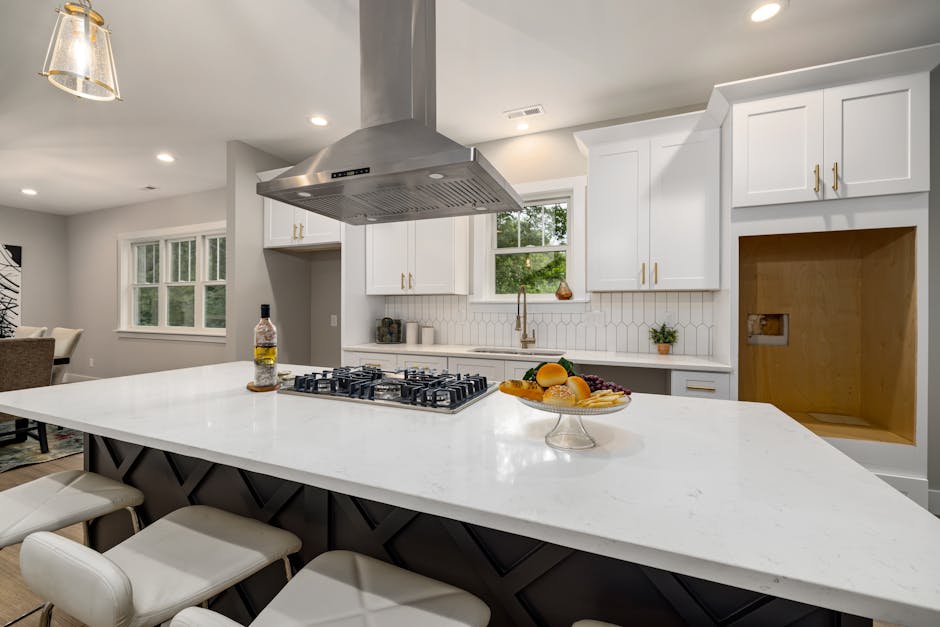
1. How Range Hoods Work
Three Steps of Smoke Extraction
- Capture: The negative pressure zone traps cooking fumes
- Separation: Oil droplets are separated from the smoke
- Exhaust: The smoke is vented outside through the duct
Key Specifications
- Airflow (m³/min): The volume of air drawn in per minute
- Static Pressure (Pa): The force that overcomes duct resistance
- Grease Separation Rate: The percentage of grease separated from the smoke
2. Airflow & Static Pressure Explained
Airflow Selection
| Airflow | Best For |
|---|---|
| 15-17 m³/min | Small open kitchens / light cooking |
| 17-20 m³/min | Standard choice, sufficient for daily use |
| 20-23 m³/min | Heavy oil smoke / frequent stir-frying |
| 23 m³/min+ | Large kitchens / professional cooking |
⚠️ Pitfall: More airflow isn't always better. Too much airflow creates excessive negative pressure, which can pull the stove flame sideways, reducing thermal efficiency and increasing noise.
Static Pressure — A Critical Parameter for High-Rise Residents
Why Static Pressure Matters
- Multiple households venting into a shared flue increases internal pressure
- Insufficient static pressure means smoke can't be pushed out, leading to backdraft
Static Pressure Selection
| Floor Level | Recommended Static Pressure |
|---|---|
| Low floors (1-10) | ≥300 Pa |
| Mid floors (11-20) | ≥350 Pa |
| High floors (21+) | ≥400 Pa |
| Top floor | ≥400 Pa |
⚠️ Pitfall: "Maximum static pressure" listed on spec sheets ≠ "working static pressure." Maximum static pressure is measured at zero airflow; actual working pressure is much lower. Pay attention to the "rated static pressure" for a more useful reference.
Grease Separation Rate
- National standard: ≥80%
- Excellent products: ≥90%
- Higher separation rate = cleaner ductwork = less oil buildup inside the unit
3. Side-Suction vs. Top-Suction vs. Integrated Cooktop
Top-Suction (European / Chinese Style)
Pros
- Doesn't take up counter space
- Wide variety of styles, aesthetically pleasing
- Large range of airflow options
Cons
- Easy to bump your head
- Smoke passes by your face (inhalation risk)
- Requires high installation height (65-75 cm)
Side-Suction
Pros
- No head bumping
- Closer to the smoke source (35-40 cm), faster extraction
- Smoke doesn't pass by your face
Cons
- Takes up wall space above the stove
- May interfere with tall cookware
- Grease filter needs more frequent cleaning
Integrated Cooktop
Pros
- Highest smoke capture rate (nearly 95%+)
- Saves upper cabinet space
- Combines stove, hood, and steam/oven functions
Cons
- Higher price
- More complex repairs
- Takes up lower cabinet space
- Requires duct modification (downward exhaust)
Comparison Summary
| Feature | Top-Suction | Side-Suction | Integrated Cooktop |
|---|---|---|---|
| Smoke Capture | ★★★★ | ★★★★ | ★★★★★ |
| Head Bump Risk | Yes | No | No |
| Aesthetics | ★★★★ | ★★★ | ★★★ |
| Price | ★★★★ | ★★★★ | ★★ |
| Ease of Repair | ★★★★ | ★★★★ | ★★ |
| Space Utilization | Average | Average | Good |
4. Self-Cleaning Features
Common Self-Cleaning Technologies
| Technology | Principle | Effectiveness |
|---|---|---|
| Thermal Melt | Heats the volute to melt grease | Moderate |
| Steam Cleaning | High-pressure steam rinses | Good |
| Dry Cleaning | High-speed oil slinging | Average |
The Truth About Self-Cleaning
- It's an aid, not a replacement for manual cleaning
- Effective on the volute and impeller, but not on the ductwork
- Periodic deep cleaning is still necessary
5. Noise Control
Noise Standards
- National standard: ≤73 dB (A-weighted)
- Excellent: ≤55 dB
- Quiet: ≤50 dB
Noise Sources
- Motor operation
- Airflow through the duct
- Unit vibration
- Duct resonance
Noise Reduction Tips
- Choose an inverter motor (quieter at low speeds)
- Minimize bends in the exhaust duct
- Ensure secure installation
- Wrap the exhaust duct with soundproofing insulation
6. Installation & Maintenance
Installation Height
- Top-suction: 65-75 cm above the cooktop
- Side-suction: 35-40 cm above the cooktop
- Integrated cooktop: Flush-mounted, follow specifications
Exhaust Duct Installation
- Length ≤ 3 m
- Bends ≤ 2
- Tilt angle: Slightly downward and outward
- A backdraft damper is mandatory for shared flues
Backdraft Damper
- Purpose: Prevents smoke from flowing back into your kitchen
- Types:
- Plastic flap valve: Basic model, may get stuck open from grease
- Stainless steel valve: Durable
- Motorized valve: Best seal
- Must be installed, especially in high-rise buildings
Cleaning & Maintenance
- Grease filter: Clean monthly
- Oil cup: Empty regularly
- Exterior: Wipe down after each cooking session
- Deep cleaning: Every six months
7. Buying Recommendations
Small Kitchen / Light Cooking
- Type: Side-suction or top-suction
- Airflow: 17-19 m³/min
- Static Pressure: ≥300 Pa
- Budget: $150 - $300
Average Family / Daily Cooking
- Type: Side-suction preferred
- Airflow: 19-22 m³/min
- Static Pressure: ≥350 Pa
- Budget: $300 - $500
Heavy Cooking / Open Kitchen
- Type: Integrated cooktop or high-power side-suction
- Airflow: 22 m³/min+
- Static Pressure: ≥400 Pa
- Budget: $500 - $1,200
💡 Summary: The core specs for a range hood are airflow and static pressure. For high-rise residents, static pressure is more important than airflow. Side-suction models keep smoke away from your face and prevent head bumps, making them ideal for most households. Always install a backdraft damper, and keep the exhaust duct short. Remember: Range hood performance = machine specs × installation quality. Poor installation will ruin even the best hood.
Related Guides
Microwave Oven Buying & Safety Guide: Radiation & Heating Principles
Does a microwave oven actually pose radiation hazards? Why is heating sometimes uneven? How do you choose safe containers? This article starts from the principles of electromagnetic waves to thoroughly answer your questi
Deep Guide to Mopping Robots: Cleaning Systems & Base Station Functions Fully Explained
Robot vacuums have solved the "sweeping" problem, but mopping performance has always been a pain point — the floor looks like it wasn't mopped at all, or the mop gets dirtier as it goes. This guide focuses on mopping-rel
Choose the right water heater once and save ten years: A complete guide to purchasing a storage-type electric water heater
Water heaters are large items that last 10–15 years, and if you choose the wrong one, you will have a long regret period. Storage-type electric water heaters are one of the most common hot water solutions for households. There are huge price differences on the market, but the core differences are not complicated.