Choose the right water heater once and save ten years: A complete guide to purchasing a storage-type electric water heater
- Published on
Choose the right water heater once and save ten years: A complete guide to purchasing a storage-type electric water heater
Water heaters are large items that last 10–15 years, and if you choose the wrong one, you will have a long regret period. Storage-type electric water heaters are one of the most common hot water solutions for households. There are huge price differences on the market, but the core differences are not complicated.
Capacity: Choose how large is enough
Calculation formula: Water consumption for one bath × number of users in the household at the same time
| Bathing method | Single water consumption (liters) |
|---|---|
| Shower for 10 minutes | About 30–40 liters |
| Bathtub Soaking | Approx. 150–200 liters |
Common home configuration:
| Family situation | Recommended capacity |
|---|---|
| 1–2 people, shower only | 50–60 liters |
| 3 people, shower main | 80 liters |
| 4 persons, continuous use | 100–120 liters |
| For bathing needs | 120–150 liters |
Note: The hot water capacity of the electric water heater is not equal to the water storage capacity. At a set temperature of 55°C, the actual amount of hot water available is about 70–80% of the volume (after mixing with cold water), and a 100-liter water heater can actually provide about 80–90 liters of hot water for bathing.
Heating method: ordinary electric heating vs instant heating vs heat pump
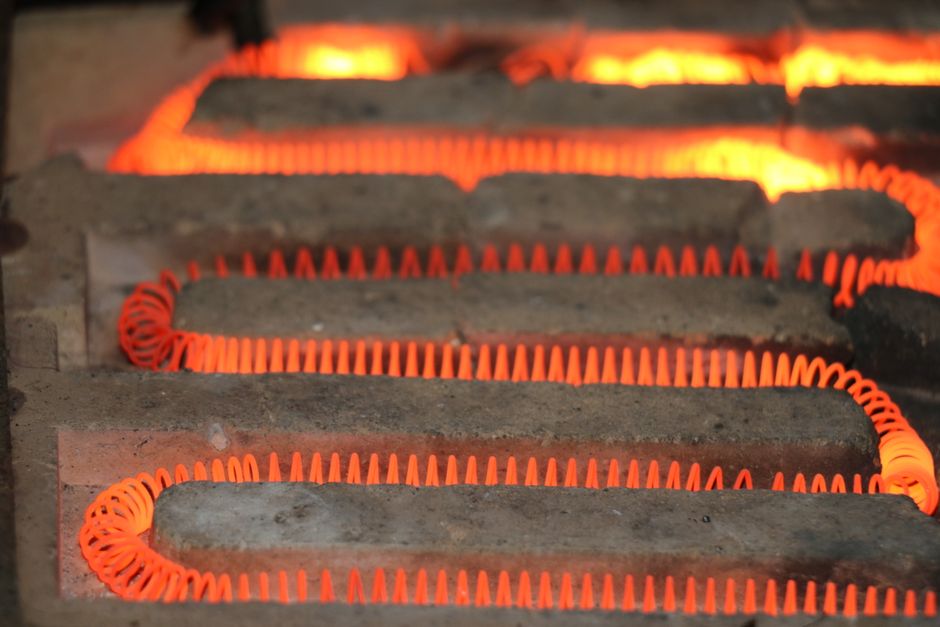
Ordinary water storage electric heating (resistance wire heating)
- Slow heating (about 30–60 minutes for 50 liters of water), but no waiting for hot water (boil it in advance)
- Simple working principle, low failure rate and easy maintenance
- Energy efficiency ratio is about 1:1 (1 kilowatt hour of electricity generates about 0.86 degrees of heat)
- Disadvantages: highest energy consumption
Instant storage water heater
- Heating elements with more power (3–5kW) reduce heating time to 15–20 minutes
- The circuit requirements are higher and the household electricity consumption quota needs to be confirmed
- Suitable for families who forget to boil water in advance and use water at irregular intervals
Air energy heat pump water heater
- Absorb heat from the air to heat water, energy efficiency ratio COP ≈ 3–4 (1 kilowatt hour of electricity generates 3–4 times the heat)
- Saves 60–70% electricity than ordinary electric heaters
- There is a compressor and there is operating noise
- Suitable for installation on balconies or outdoors, not suitable for areas in the north where outdoor temperatures are below -10°C in winter
- The initial cost is high, suitable for families who live for a long time and pay attention to energy saving.
Security: three parameters that must be confirmed
Electric water heaters involve electricity safety and prevention of clean water pollution. The following parameters must be checked:
1. Anti-electric wall (anti-electric shock) technology
When showering, the heating pipe in the water heater is in the water for a long time. If the insulation fails, there is a risk of electric leakage and electric shock.
Electric shock protection type:
- Ordinary anti-electricity wall (single tube): basic protection
- 2000MΩ anti-electricity wall: Block the leakage path by detecting water column resistance
- Scale-free conduit technology: Reduce the accumulation of scale on the surface of the heating tube and extend the insulation life
2. Safety valve (pressure relief valve)
The internal pressure of the water heater will increase when it is heated, and the safety valve will automatically release the pressure when overpressure occurs to prevent explosion.
- Confirm that the product has a safety valve and that the safety valve has a regular pressure relief function
- After installation, make sure there is a water cup or pipe at the pressure relief port of the safety valve (a small amount of water dripping is normal during normal heating)
3. Inner tank material
The inner tank is a container that directly contacts water storage, affecting water quality safety and service life.
| Liner material | Advantages | Lifespan reference |
|---|---|---|
| Galvanized liner | Cheap | 5–8 years (easy to rust) |
| Enamel liner | Mainstream, not easy to rust | 10–15 years |
| Stainless steel liner | Most durable | Over 15 years |
| Blue crystal liner / titanium liner | Plated reinforced enamel | 10–15 years |
Recommendation: Enamel inner tank or above, stainless steel is the best but the price is higher.
Water pressure requirements
The water pressure requirements of ordinary storage water heaters are: inlet pressure 0.04–0.8MPa.
| Scenario | Notes |
|---|---|
| Low floors (high water pressure) | If the inlet water pressure exceeds 0.8MPa, a pressure reducing valve needs to be installed |
| High floors (low water pressure) | The inlet water pressure is lower than 0.04MPa, and the hot water flow may be very small |
| Solar water heaters connected in parallel | Pressure balance needs to be confirmed separately |
Installation location and wall-mounted load-bearing
| Capacity | Weight of water heater (empty) | Total weight after filling |
|---|---|---|
| 60 liters | approx. 20–25kg | approx. 80–85kg |
| 80 liters | approx. 25–30kg | approx. 105–110kg |
| 100 liters | approx. 30–35kg | approx. 130–135kg |
Important: The water heater must be fixed on a load-bearing wall or structural member. The expansion bolts need to be driven into the solid wall and cannot be hung on gypsum board partition walls or light steel keel walls.
Energy-saving usage suggestions
- Set a reasonable temperature: 55–60°C is enough to kill common bacteria, no need to set 75°C (wasting electricity and running out of hot water quickly)
- Timer Mode: Heating only 1–2 hours before using water, keeping warm mode all day consumes a lot of power
- Regular scale removal: Ask a professional to clean the inner tank every year or every two years to extend its life.
*This article refers to the GB/T 20289 household storage-type electric water heater standard and does not target specific brands and models. *
Related Guides
Deep Guide to Mopping Robots: Cleaning Systems & Base Station Functions Fully Explained
Robot vacuums have solved the "sweeping" problem, but mopping performance has always been a pain point — the floor looks like it wasn't mopped at all, or the mop gets dirtier as it goes. This guide focuses on mopping-rel
Home Water Filter Buying Guide 2025: RO vs Under-Sink vs Countertop vs Whole House, NSF Certifications, What Each Filter Type Actually Removes
Water filtration systems span from simple activated carbon pitchers to whole-house reverse osmosis systems. Choosing the right one requires knowing what is actually in your water and which filter type addresses those contaminants. This guide covers NSF certifications, RO vs carbon filtration, and practical installation considerations.
Microwave Oven Buying & Safety Guide: Radiation & Heating Principles
Does a microwave oven actually pose radiation hazards? Why is heating sometimes uneven? How do you choose safe containers? This article starts from the principles of electromagnetic waves to thoroughly answer your questi