Common Parenting Mistakes: Child Health and Nutrition Myths Debunked
- Published on
Raising a child comes with endless advice, but not all of it is accurate. From picky eating to confusing rashes, many parents fall into traps that can be easily avoided with a bit of know-how. This guide cuts through the noise, offering evidence-based strategies for nutrition, common childhood illnesses, and everyday safety.
The Truth About Picky Eating
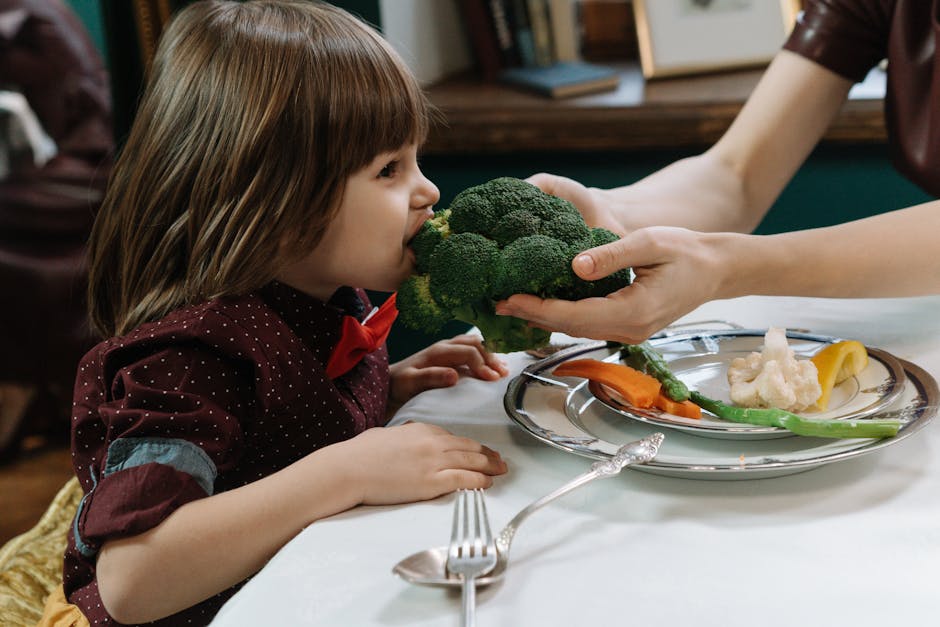
Many parents worry when their child refuses certain foods, but the root cause is often simpler than expected: limited food variety. According to dietary guidelines, children should consume over 12 different types of food daily and more than 25 weekly. Yet many families rotate the same 10–20 items. Expanding your child's palate starts with diversifying ingredients.
How to Build a Balanced Plate
Aim to include these core groups at every meal:
- Grains and tubers (rice, potatoes, oats)
- Animal proteins and legumes (chicken, fish, beans)
- Fruits and vegetables (aim for a rainbow of colors)
- Dairy or alternatives (milk, yogurt)
Cooking strategies matter too. Children often prefer foods that are visually appealing, easy to chew, and aromatic. If your child rejects vegetables, try:
- Cutting them into fun shapes
- Roasting with a little oil to enhance flavor
- Mixing disliked veggies with favorite foods (e.g., blending spinach into meatballs)
Avoid relying on fruit juice for hydration. Juice can cause tooth decay and contribute to obesity, especially in children under 1 year old. Stick to whole fruits, adjusting portion sizes by age:
- 7–12 months: 25–100g daily (a few spoonfuls of puree)
- 1–2 years: 50–150g (half a medium apple)
- 2–3 years: 100–200g (one medium apple)
Key point: Fresh, whole fruit always beats dried fruit, fruit leather, or canned options.
Recognizing Common Childhood Illnesses
Two viral infections peak in warm months: hand, foot, and mouth disease (HFMD) and herpangina. Both are caused by enteroviruses and share similar symptoms, but knowing the differences can prevent panic.
How to Tell Them Apart
| Feature | HFMD | Herpangina |
|---|---|---|
| Mouth sores | Small blisters on tongue, cheeks, and hard palate; later become shallow ulcers | Yellow/gray ulcers near the throat; irregular shape |
| Rash location | Hands, feet, buttocks, sometimes knees/elbows | Usually no rash outside the mouth |
| Fever | May appear with or before rash | Typically appears before sores |
| Pain | Mild sore throat | Severe throat pain, difficulty swallowing |

When to seek medical help immediately:
- Persistent fever >39°C for over 24 hours
- Inability to eat/drink leading to dehydration (sunken eyes, dry lips)
- Lethargy even when fever is down
- Limb twitching, vomiting, or seizures
- Rapid breathing or abnormal heart rate
Home Care Basics
- Fever: Use acetaminophen or ibuprofen if the child is uncomfortable.
- Mouth sores: Rinse with saline; for severe pain, consult a doctor about pain relief.
- Skin blisters: Keep clean and dry; apply calamine lotion if itchy (unbroken skin only).
- Diet: Offer cold, soft foods like ice cream, yogurt, or chilled fruit puree. Avoid acidic, salty, or spicy items.
Vaccination: The EV71 vaccine protects against the most severe strain of HFMD. It is recommended for children aged 6 months to 5 years.
Seasonal Viruses: What You Need to Know
Rhinovirus is the leading cause of the common cold in children, and it thrives in summer as much as winter. Symptoms include runny nose, sneezing, cough, and sometimes fever. Most cases resolve on their own with supportive care.
Prevention Tips
- Ventilate: Open windows at least twice a day for 15 minutes, even with air conditioning.
- Hand hygiene: Wash hands with soap for 15 seconds to reduce infection risk by nearly 17%.
- Avoid crowds: Choose outdoor play over indoor playdates during peak seasons.
When to worry: If your child has difficulty breathing, persistent high fever, or signs of dehydration, consult a doctor.
Special Considerations: Glucose-6-Phosphate Dehydrogenase (G6PD) Deficiency
Also known as favism, this genetic condition requires lifelong avoidance of certain triggers:
- Foods: Fava beans (broad beans) and, surprisingly, bitter melon. Breastfeeding mothers should also avoid these.
- Medications: Many common drugs can trigger hemolysis. Always inform your doctor about the condition before any prescription.
- Chemicals: Avoid mothballs (naphthalene), henna-based dyes, and certain pesticides.
- Infections: Even a mild infection can trigger hemolysis, so practice good hygiene and seek prompt treatment for illnesses.
Choking Hazards: Sticky Foods and Small Objects
Children under 3 should avoid sticky, dense foods like whole grapes, hard candies, and glutinous rice treats (e.g., zongzi). Their swallowing reflexes are not fully developed until around age 5. If you do offer such foods to older children:
- Cut into small, manageable pieces
- Ensure they sit quietly while eating
- Serve warm (not hot) to improve texture
Quick Checklist
- Diversify ingredients – aim for 12+ foods daily
- Prioritize whole fruits over juice or processed snacks
- Know the difference between HFMD and herpangina
- Monitor for danger signs – high fever, dehydration, lethargy
- Ventilate and wash hands to reduce virus spread
- Avoid trigger foods/chemicals if your child has G6PD deficiency
- Supervise meals for children under 5, especially with sticky foods
FAQ
How can I get my child to eat more vegetables?
Start by offering a variety of colors and textures. Mix finely chopped veggies into familiar dishes like meatballs or pasta sauce. Roasting brings out natural sweetness, and cutting into fun shapes can make them more appealing. Patience is key – it may take 10–15 exposures before a child accepts a new food.
My child has a rash and fever – is it hand, foot, and mouth disease?
Check the location of the rash. If blisters appear on the palms, soles, and inside the mouth, it's likely HFMD. If sores are mainly in the throat with no hand/foot rash, it may be herpangina. Both are viral and require supportive care, but watch for warning signs like high fever or dehydration.
Can I give my child over-the-counter cold medicine?
No. For children under 6, non-prescription cough and cold medicines are not recommended due to potential side effects. Instead, use honey (for ages 1+), saline nasal spray, and a cool-mist humidifier. Always consult a doctor before using any medication.
For more evidence-based parenting tips, check out our parenting guides and baby and maternity resources.
Related Guides
Booster Car Seat Buying Guide: High-Back vs Backless, Belt Positioning, and When Your Child Actually Outgrows a Harness Seat
The transition from a harnessed car seat to a booster is one of the most consequential safety decisions parents make, and it is commonly made too early. This guide explains weight and height thresholds for the transition, how booster seats position the seatbelt correctly, and what the high-back vs backless choice actually means for crash protection.
Baby Sound Machine Buying Guide: White Noise vs Pink Noise, Safe Volume Levels, and What the Research Actually Says About Infant Sleep
Sound machines help babies sleep by masking household noise, but maximum volume and sound type matter for infant ear safety. Research on infant sleep and sound exposure informs better purchasing decisions than marketing claims.
Baby Monitor Buying Guide: Video Quality, Range, Privacy Risks, and Audio-Only vs Camera
Baby monitors have expanded from simple audio devices to full video surveillance systems — with corresponding privacy risks. This guide covers resolution vs. frame rate trade-offs, RF vs. Wi-Fi transmission security, night vision technology, and the real threat model for connected nursery cameras.