Cat Behavior Decoded: Common Misconceptions About Feline Personality and Habits
- Published on
Cats are often misunderstood as aloof, mysterious creatures, but much of what we think we know about them is based on myths rather than facts. From the belief that coat color determines personality to the idea that cats don't care about their owners, these misconceptions can shape how we interact with our feline friends. This guide debunks common myths and offers insights into true cat behavior, helping you build a stronger, more empathetic bond with your pet.
The Myth of Coat Color Personality
Many cat owners believe that a cat's coat color predicts its personality: orange cats are friendly, white cats are aloof, and tortoiseshells are feisty. However, science tells a different story.
Orange Cats: Friendly Because They're Mostly Male
Orange cats are often described as social and outgoing. But research from Stanford University (2025) shows that the gene for orange fur is located on the X chromosome. Since males have only one X chromosome, they need only one copy of the orange gene to be fully orange, while females need two. As a result, 70-80% of orange cats are male. Neutered male cats tend to be more exploratory and social than females, so the "friendly orange cat" stereotype is really a reflection of male cat behavior, not the color itself.
Tortoiseshell and Calico Cats: Not "Feisty," Just Female
Tortoiseshell and calico cats are almost always female (over 99%) because the black and orange patches require two X chromosomes. A University of California, Davis study found that female orange-toned cats are more likely to hiss or scratch during handling or vet visits. This isn't "bad temper"—it's a natural self-protective response in females. Labeling them as difficult overlooks their evolutionary instincts.
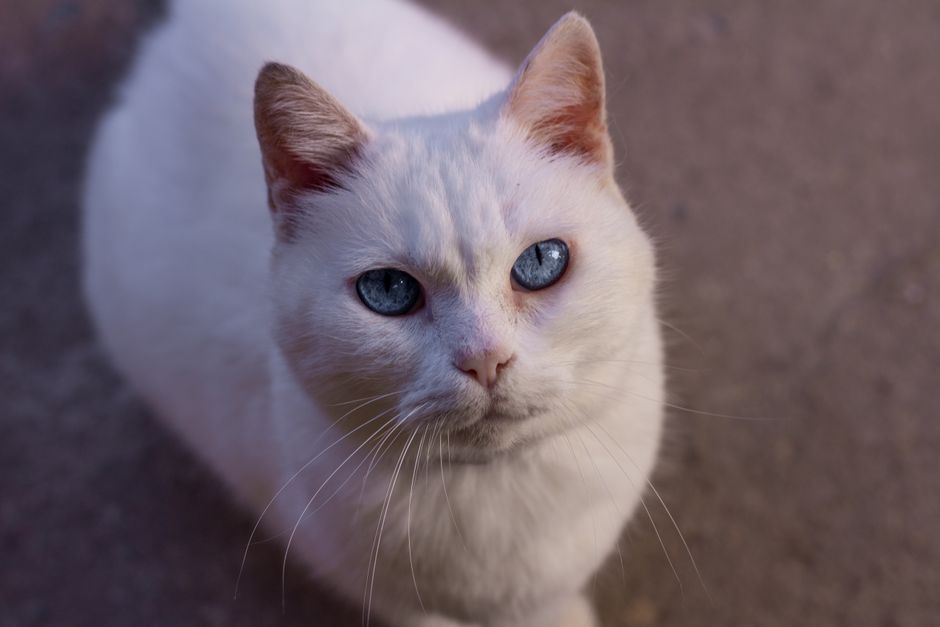
White Cats: Hearing Loss, Not Aloofness
White cats, especially those with blue eyes, have a high prevalence of congenital deafness due to the dominant W gene that affects both coat color and inner ear development. Non-blue-eyed white cats have about a 20% chance of deafness, while blue-eyed white cats have a 65-85% chance. When a white cat doesn't respond to its name or startles when touched from behind, it's not being aloof—it may simply not hear you. This misunderstanding can lead to unfair judgments.
How Cats Really Recognize You
Cats have poor eyesight—they can't see clearly beyond about 30 centimeters. So when you make faces at your cat, it sees a blurry shape. Instead, cats rely on their powerful sense of smell (40 times more sensitive than humans) to identify you. Your unique scent is their "facial recognition." That's why a change of perfume or soap can confuse them momentarily. They also recognize your footsteps and the tone of your voice, which they remember for years.
Memory and Attachment: More Than You Think
Cats have short-term memories lasting about 16 hours, so they quickly forget a scolding. But their long-term memory for significant people and events can last a lifetime. A British study showed that after a 3-year separation, 78% of cats showed clear excitement (ear perking, tail raising, sniffing) when hearing their owner's voice or smelling their scent. They may not greet you like a dog, but they remember you.
The "21-Day Rule" and Forced Adaptation
When cats are rehomed, they often adapt within about 21 days—eating, sleeping, and allowing new owners to pet them. This is often seen as fickleness, but it's actually a survival mechanism. Cats are insecure animals; in a new environment, they must suppress memories of their old home to cope. This "forced forgetting" period is not a sign of indifference but of resilience. Some cats even refuse food initially, only eating after hearing a familiar voice.
What Really Shapes a Cat's Personality
Behavior is influenced by two main factors: genetics and early socialization. A cat's father plays a significant role—if the father is bold and social, the kittens are likely to be less fearful, even if they never meet him. The critical socialization window is between 2 and 7 weeks of age. Kittens handled gently and exposed to household sounds during this period grow up to be more confident and less prone to stress or aggression. So, a cat's personality is shaped more by its upbringing and lineage than by its coat color.
Common Misinterpretations of Cat Behavior
-
"My cat wakes me up at night—it's being naughty." Actually, cats are crepuscular (active at dawn and dusk). If your cat sleeps with you, it may be trying to get you to bed on time because it sees you as part of its social group. It's not being annoying; it's showing care.
-
"My cat ignores me when I call." It might not hear you (especially if it's a white cat) or it might simply choose not to respond. Cats are independent, but they do recognize your voice.
-
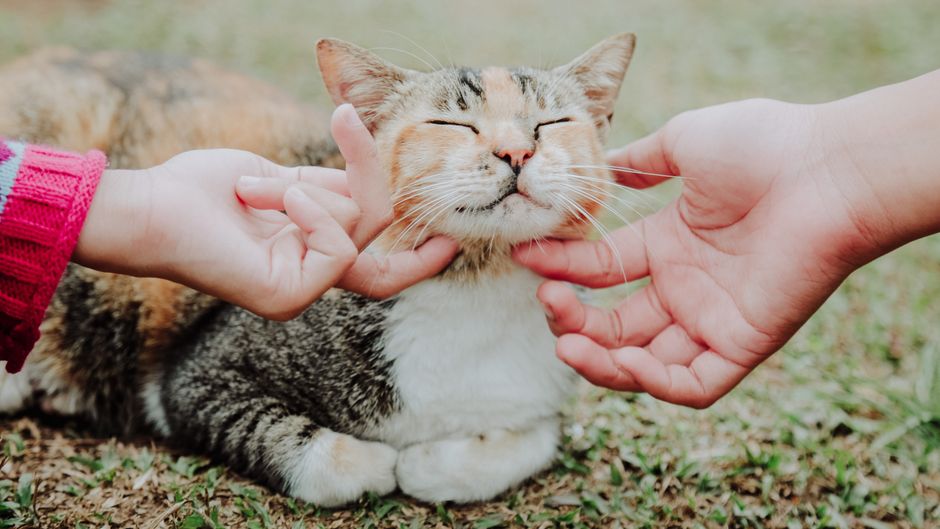
"My cat doesn't like me because it doesn't cuddle." Cats show affection in subtle ways: slow blinking, head-butting, kneading, or simply being in the same room. Respect their boundaries.
Quick Checklist
- Don't judge by coat color: Personality is not determined by fur color. Look at the cat's history and behavior.
- Respect sensory differences: White cats may be deaf; approach them gently and avoid startling them.
- Use scent and sound: Build trust by letting your cat sniff you and speaking in a soft, consistent tone.
- Provide a stable environment: Cats thrive on routine. Avoid sudden changes that cause stress.
- Socialize early: If raising kittens, handle them gently and expose them to various stimuli during weeks 2-7.
- Understand memory: Your cat remembers you for years. Don't take short-term forgetfulness as indifference.
- Be patient with rehomed cats: They need time to adjust. Provide familiar scents and a safe space.
FAQ
Why does my cat stare at me?
Cats stare for various reasons: curiosity, affection (slow blinking), or a request for attention. A fixed stare with dilated pupils can indicate fear or aggression, but a relaxed gaze with half-closed eyes is a sign of trust.
Is it true that cats don't like being held?
Many cats dislike being restrained because it limits their escape options. However, some cats enjoy being held if they feel secure. Pay attention to body language: if ears flatten, tail swishes, or they struggle, put them down gently.
How can I tell if my cat is stressed?
Signs of stress include hiding, excessive grooming, loss of appetite, aggression, or changes in litter box habits. Provide hiding spots, maintain a routine, and use pheromone diffusers if needed.
See more pet care guides for additional tips on understanding your cat.
Learn about cat behavior and training to deepen your bond.
Related Guides
Cat Scratching Post Buying Guide: Sisal vs Cardboard vs Carpet, Vertical vs Horizontal, and Why Most Cats Reject Posts That Cost the Most
Cats scratch for claw maintenance, scent marking, and stretching. Choosing the wrong material, orientation, or placement results in a cat that ignores the post and scratches furniture instead. This guide explains cat scratching behavior to help you choose correctly.
In the first year of raising a cat, you must know these daily care points
Raising a cat is more than just feeding it - immunization, deworming, bathing, claw clipping, and teeth brushing. Failure to do any of these may affect the cat's health. For newbies, this list covers the most easily overlooked daily care points.
Smartphone Buying Guide: Avoid Common Mistakes with RAM and Storage
Learn how to choose the right RAM and storage configuration to avoid performance issues and overspending in today's market.
Summer Cooling Clothing: Which Fabrics Actually Keep You Cool?
Compare merino wool, linen, and other breathable fabrics to choose the best summer clothing for comfort, sweat management, and odor control.