Living With a Robot Vacuum for a Year: What the Spec Sheet Doesn't Tell You
- Published on
Living With a Robot Vacuum for a Year: What the Spec Sheet Doesn't Tell You
A robot vacuum is one of those purchases that's either life-changing or quietly abandoned in a corner. The difference rarely comes down to the headline suction. After a year of daily use, what actually shapes the experience is the dock, the maintenance rhythm, and whether your home suits a robot at all.
What Daily Ownership Is Really Like
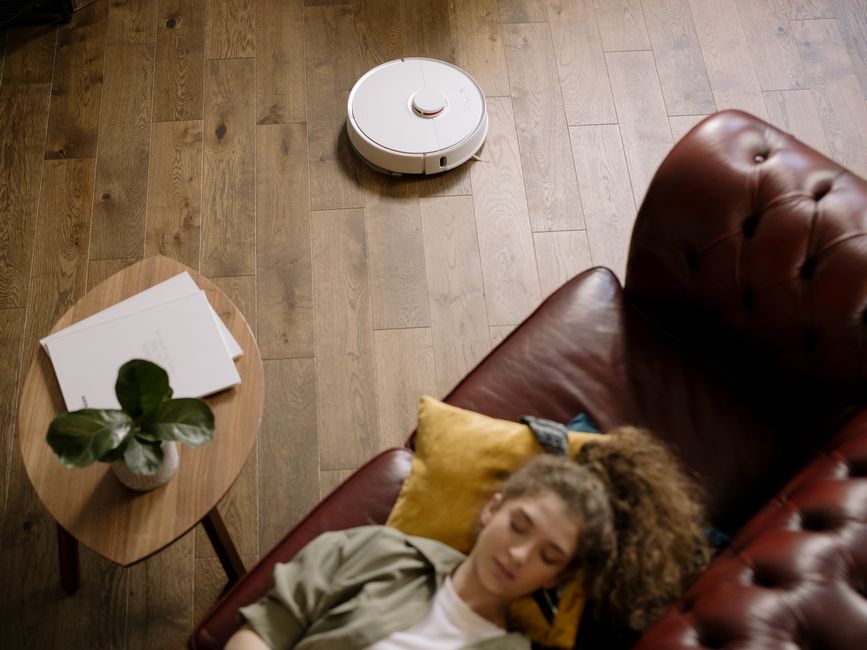
The promise is "set it and forget it". The reality is closer to "set it up well, then do small chores regularly". A robot vacuum genuinely keeps floors consistently tidier than most people manage by hand — but only if you've prepared your home and accepted a maintenance routine.
The dock matters more than you expect
A self-emptying dock is the feature that turns a robot from "a gadget you tend" into "a thing that just runs". Without it, you empty a tiny bin every day or two. With a wash-and-dry mop dock, you avoid handling dirty pads — but you trade in a larger footprint and ongoing consumables. The dock, more than the robot, decides how hands-off it really is.
Maintenance is the part nobody mentions
Brushes collect hair, filters clog, sensors need wiping, and mop pads need washing. Skip it and performance drops within weeks. It's a few minutes a week, but it's not zero. If you have pets or long hair, anti-tangle brushes make this dramatically easier — the same point we stress in the robot vacuum buying mistakes.
Your home decides the outcome
The biggest variable isn't the robot — it's your floor plan. Cluttered floors, cords, deep-pile rugs, dark flooring that confuses cliff sensors, and furniture the robot can't fit under all sabotage it. Homes that "robot-proof" their floors get great results; homes that don't end up rescuing a stuck robot.
Navigation quality is felt every single day
A robot that maps your home (LiDAR/vSLAM) cleans in efficient rows, lets you send it to one room, and resumes after charging. A random-bounce model feels frustrating fast. This is where the robot vacuum advanced guide earns its keep.
Mopping is a bonus, not a replacement
Robot mopping handles daily light dust and footprints well. It does not replace an occasional proper mop for sticky spills. Set expectations here and you'll be happy; expect a deep clean and you won't.
Who It's Worth It For
- Worth it: busy households, pet owners (with anti-tangle brushes), people with mostly hard floors and tidy-able rooms, anyone who values consistent daily upkeep.
- Think twice: very cluttered homes, lots of deep rugs and thresholds, or anyone expecting a deep clean with zero maintenance.
Before buying, read the robot vacuum buying mistakes and browse the pitfall guides column.
FAQ
Is a robot vacuum actually worth it?
For most people with hard floors and tidy-able rooms, yes — it keeps floors more consistently clean than hand-vacuuming between deep cleans. The value depends less on suction and more on a good dock, a small maintenance routine, and a home that's free of clutter and cords the robot can snag on.
How much maintenance does a robot vacuum really need?
A few minutes a week: emptying the bin (or dust bag), clearing hair from brushes, wiping sensors, and washing mop pads if it mops. It's small but not zero, and skipping it causes performance to drop within weeks. Anti-tangle brushes greatly reduce the effort for pet owners and long hair.
Does a robot vacuum replace a regular vacuum or mop?
Not entirely. It excels at consistent daily upkeep on accessible floors, but it can't deep-clean thick carpet, reach every corner, or scrub sticky spills like a proper mop. Most owners keep a handheld or stick vacuum for occasional deep cleans and edges.
Related Guides
Single-Hose vs Dual-Hose Portable AC: The Efficiency Difference Explained
Single-hose and dual-hose portable ACs cool very differently. This guide explains negative room pressure, why dual-hose is more efficient, and when a single-hose unit is still the right choice.
Portable AC BTU by Room Size: SACC Sizing Chart (sq ft to BTU)
How many SACC BTU do you need for your room? This chart maps square footage to recommended portable AC capacity, with adjustments for sun, ceiling height, and kitchens.
SACC vs ASHRAE BTU Explained: Why Portable AC Ratings Don’t Match
Portable air conditioners are sold with two very different BTU numbers: the old ASHRAE rating and the DOE SACC rating. This guide explains what each measures, why SACC is 15–30% lower, and how to compare units honestly.
Robot Vacuum Navigation Explained: LiDAR vs vSLAM vs Gyroscope
Robot vacuum navigation explained: gyroscope vs vSLAM (camera) vs LiDAR (laser). How each sees your floor, which maps, which works in the dark, and which you need.