Postpartum Recovery Guide: Managing Body Changes and Common Health Issues
- Published on
After childbirth, many women experience a range of physical changes that can be surprising and challenging. From hair loss and urinary incontinence to persistent belly fat and body aches, these issues are common but often overlooked. Understanding what’s happening in your body and knowing the right steps to address each concern can make a significant difference in your recovery journey. This guide covers key postpartum health issues and provides evidence-based strategies to help you regain strength, confidence, and well-being.
Understanding Common Postpartum Body Changes
Pregnancy and childbirth place immense stress on a woman’s body. Even after delivery, many changes persist due to hormonal shifts, nutritional depletion, and physical strain. Recognizing these changes is the first step toward effective recovery.
Hair Loss and Premature Graying
Many new mothers notice increased hair shedding or even premature graying after childbirth. While pregnancy itself doesn’t directly cause gray hair, the high nutritional demands of pregnancy and breastfeeding, combined with postpartum stress and sleep deprivation, can reduce melanin production in hair follicles, leading to graying.
What you can do:
- Evaluate potential causes: If you’re unsure why your hair is changing, consult a doctor to rule out medical conditions or medication side effects.
- Protect your scalp: Gently massage your scalp to stimulate circulation, avoid harsh hair treatments, and use a wide-tooth comb. When swimming, wear a cap and rinse hair promptly. When blow-drying, keep the dryer at a safe distance and use low heat.
- Cut white hairs at the root rather than plucking them, as plucking can damage follicles and doesn’t prevent regrowth.
- Avoid unproven remedies: There is no scientific evidence that black sesame seeds or black beans prevent graying. Be cautious with products containing Polygonum multiflorum (He Shou Wu), which can cause liver damage.
- Maintain a balanced diet: Ensure adequate intake of protein, zinc (about 12 mg daily for breastfeeding women), and other micronutrients. However, zinc supplementation alone may not reverse graying.
Pelvic Floor Dysfunction: Incontinence and Prolapse
During pregnancy, the growing uterus and baby place continuous pressure on the pelvic floor muscles, which support the bladder, uterus, and bowel. Over nine months, these muscles can weaken, leading to issues like stress urinary incontinence (leaking when coughing, sneezing, or laughing), urinary frequency, and even uterine prolapse.
Effective solutions:
- Kegel exercises: The gold standard for strengthening pelvic floor muscles. However, it’s important to learn proper technique. Avoid using the “stop urine flow” method as a regular exercise, as it can lead to urinary tract infections. Instead, practice contracting the muscles as if you are trying to hold in gas, then relax. Aim for 10-second holds, 10–15 repetitions, three times daily.
- Professional physical therapy: A pelvic floor physical therapist can provide personalized guidance, biofeedback, or electrical stimulation. This is especially helpful if you have difficulty isolating the correct muscles.
- At-home exercise programs: Many structured programs combine Kegels with other core-strengthening and relaxation techniques. Look for programs designed by certified professionals that include progressive difficulty and use tools like yoga balls, resistance bands, and vaginal cones (Kegel weights) to enhance effectiveness.
Diastasis Recti: The Belly Gap
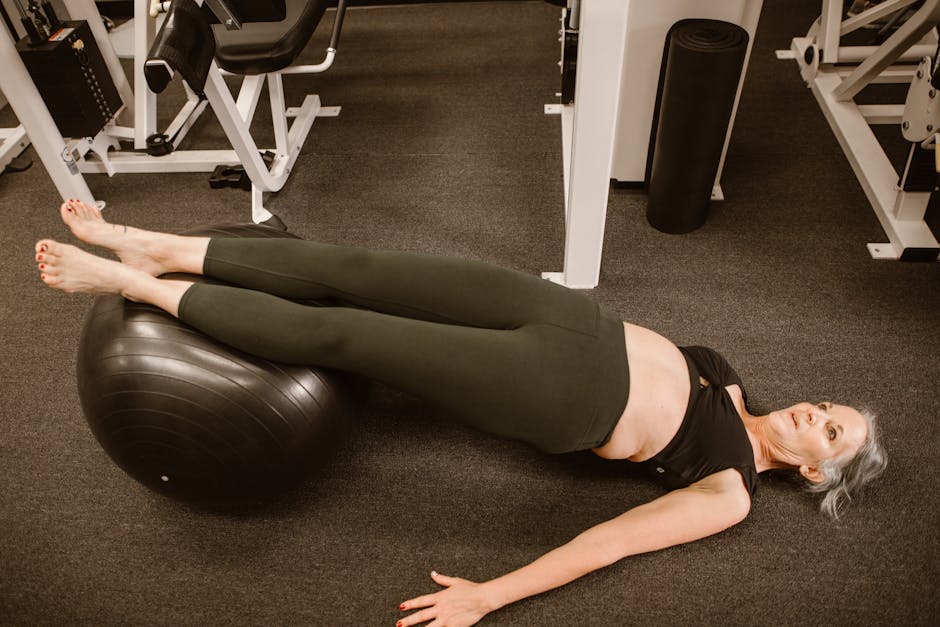
Diastasis recti is the separation of the abdominal muscles along the midline, which occurs in most pregnant women due to the expanding uterus. This can cause a persistent “pooch” or bulge in the lower belly, lower back pain, and poor core stability.
How to check: Lie on your back with knees bent, feet flat. Place two fingers just above your belly button, then lift your head and shoulders slightly off the floor. Feel for a gap between the muscles. A gap of 2.5 finger-widths or less is common; larger gaps may require medical attention.
Safe exercises:
- Avoid traditional crunches, sit-ups, and planks, which can worsen the separation.
- Focus on deep core activation: Engage the transverse abdominis by drawing your navel toward your spine. Combine with gentle pelvic tilts and heel slides.
- Progress to modified planks, bird-dog, and side-lying leg lifts once the gap closes.
- Consider Pilates-based programs designed for postpartum recovery, as they emphasize controlled movement and breathing.
A Step-by-Step Approach to Postpartum Fitness
Many new mothers are eager to lose weight and regain their pre-pregnancy shape, but jumping into intense exercise too soon can cause more harm than good. The correct sequence is: repair → correct posture → shape.
Step 1: Repair Core and Pelvic Floor
Before any vigorous activity, you need to address diastasis recti and pelvic floor weakness. This typically involves gentle breathing exercises, pelvic floor contractions, and isometric core work. Most experts recommend starting these exercises as early as a few days postpartum, provided there is no pain or complications.
Step 2: Correct Posture and Alignment
Pregnancy and breastfeeding often lead to rounded shoulders, forward head posture, and anterior pelvic tilt (a “swayback”). These imbalances can cause chronic pain and make you look heavier than you are. Focus on:
- Stretching the chest and front of the shoulders.
- Strengthening the upper back and rhomboids.
- Engaging the glutes and hamstrings to correct pelvic tilt.
- Using a foam roller to release tight muscles.
Step 3: Gradual Full-Body Strengthening and Cardio
Once your core and posture are stable, you can add more dynamic movements. Low-impact options like walking, swimming, and stationary cycling are safe. For strength, incorporate bodyweight squats, lunges, and resistance band exercises. High-impact activities like running or jumping should wait until you have no pelvic floor symptoms and your core is strong.

Quick Checklist for Postpartum Recovery
- Hair and scalp: Eat a balanced diet rich in protein and zinc; avoid harsh treatments; consult a doctor if hair loss persists beyond 6 months.
- Pelvic floor: Practice Kegels correctly; consider physical therapy if symptoms are moderate to severe; use tools like Kegel weights if needed.
- Diastasis recti: Check for gap; avoid crunches; start with deep core activation; progress to safe exercises.
- Posture: Stretch chest and hip flexors; strengthen upper back and glutes; use foam roller for myofascial release.
- Exercise timing: Wait until at least 6 weeks postpartum (or longer for C-section) before starting a structured program; always get medical clearance.
- Diet for breastfeeding: Stay hydrated (about 10 cups of fluid daily), eat a variety of nutrient-dense foods, and avoid excessive calories. Aim for 80 g protein, 25 mg iron, and 1000 mg calcium per day.
FAQ
How long after giving birth can I start exercising?
For vaginal deliveries, you can begin gentle pelvic floor and core exercises within days if you feel ready. For structured fitness programs, most experts recommend waiting until your 6-week postpartum checkup and getting your doctor’s approval. After a C-section, wait at least 8–12 weeks and ensure your incision is fully healed.
Can I still benefit from postpartum exercise if my baby is already a toddler?
Yes. Postpartum issues like diastasis recti, pelvic floor weakness, and poor posture do not resolve on their own over time. Even years after childbirth, targeted exercises can improve symptoms, strengthen your core, and reshape your body. Consistency is more important than timing.
Is it safe to do Kegel exercises while breastfeeding?
Yes, Kegel exercises are safe and recommended during breastfeeding. They help strengthen the pelvic floor, which can be weakened by pregnancy and delivery. Just ensure you are not holding your breath or straining. If you experience any pain or discomfort, stop and consult a pelvic floor specialist.
For more guidance on postpartum recovery and women’s health, explore our parenting guides and skincare and personal care tips.