Mop vs. Mop Vacuum vs. Floor Washer: Which Cleaning Tool Is Right for Your Home?
- Published on
Choosing the right floor cleaning tool can transform a chore into a quick, effortless task. With options ranging from simple flat mops to high-tech floor washers, the best choice depends on your home size, floor type, cleaning frequency, and budget. This guide breaks down the key differences to help you decide.
Understanding the Three Main Categories
Traditional Mops (Flat Mops & Sponge Mops)
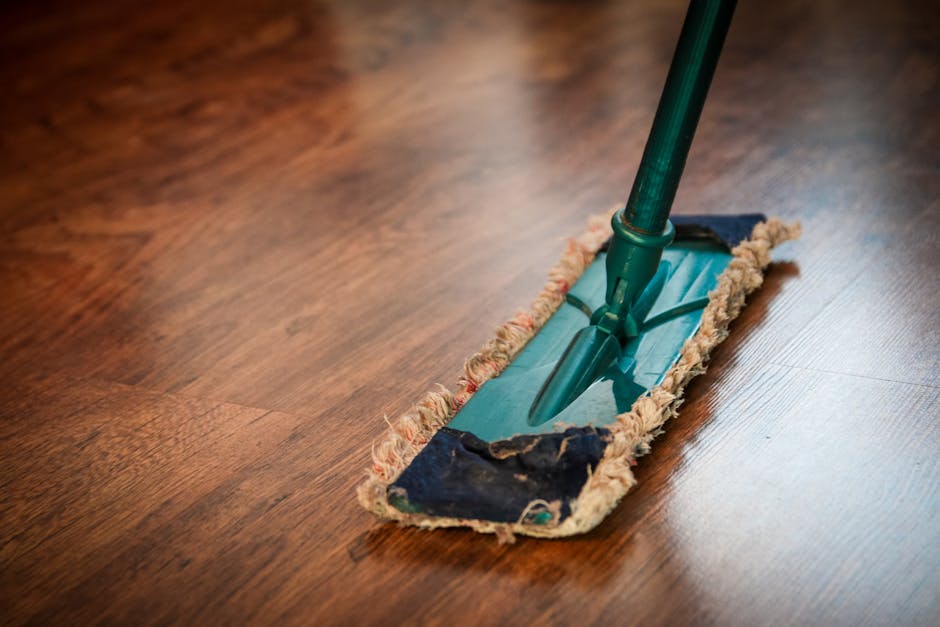
Traditional mops are the most affordable and straightforward option. Modern flat mops have evolved significantly with features like ultra-thin heads (around 3 cm) that slide under furniture, 360° swivel for corners, and extendable handles (typically 89–154 cm) to avoid bending. Their cleaning pads are often made from microfiber or specialized fibers (e.g., star-shaped sea plant fibers) that trap dust and liquid through electrostatic attraction and capillary action.
Best for: Quick daily cleanups, small spaces, hard-to-reach areas, and households with mixed flooring. Ideal for seniors or those who prefer a lightweight, low-maintenance tool.
Pros:
- Low cost (pads can be washed hundreds of times)
- No electricity or batteries needed
- Quiet and easy to store
- Can be used dry for dusting or wet for mopping
Cons:
- Requires manual wringing (some have spray mechanisms)
- Not as effective on dried-on or sticky messes
- Frequent pad changes for large homes
Mop Vacuums (Spray Mop Vacuums)
Mop vacuums combine a spray mop with a vacuum suction to pick up debris and liquid simultaneously. They typically have a water tank, a spray trigger, and a suction motor. Some models also include a separate compartment for cleaning solution. They are heavier than traditional mops but lighter than floor washers.
Best for: Homes with both hard floors and low-pile carpets, pet owners, and those who want a one-step cleaning process for dry and wet messes.
Pros:
- Simultaneously vacuums and mops
- Good for everyday messes like crumbs and spills
- Often have self-cleaning cycles
Cons:
- Higher upfront cost
- Requires charging and maintenance of suction parts
- May leave streaks on certain floor types
Floor Washers (Wet-Dry Vacuums / Hard Floor Cleaners)
Floor washers are the most powerful option, dispensing water and cleaning solution, scrubbing the floor, and then vacuuming up the dirty water into a separate tank. They are self-propelled and can cover large areas quickly. Many have brush rolls that scrub grout lines and tough stains.
Best for: Large homes, deep cleaning, families with kids or pets, and those who want a thorough, hands-free experience.
Pros:
- Deep cleans with scrubbing action
- Large water tanks for whole-home cleaning
- Self-cleaning function on many models
Cons:
- Expensive and bulky
- Requires storage space and regular maintenance
- Not suitable for all floor types (e.g., some delicate hardwoods)
Key Parameters to Compare
| Feature | Traditional Mop | Mop Vacuum | Floor Washer |
|---|---|---|---|
| Weight | ~0.7 kg (light) | 2–4 kg (moderate) | 4–6 kg (heavy) |
| Head Thickness | ~3 cm (ultra-thin) | 5–8 cm | 10–15 cm |
| Water Tank | None or spray bottle | ~200–500 ml | ~500 ml–1 L (clean & dirty) |
| Suction | None | Low to moderate | High (wet/dry) |
| Battery Life | N/A | 20–40 min | 20–40 min |
| Floor Types | All hard floors | Hard floors + low-pile carpet | Hard floors only |
| Mess Handling | Light spills | Dry + wet spills | Deep dirt + heavy spills |
| Maintenance | Wash pads | Clean brush, tank, filter | Clean brush, tank, filter, self-clean |
Which One Should You Choose?
Consider your cleaning habits and home setup:
-
If you have a small home (under 100 m²) and want an affordable, lightweight tool for daily touch-ups, a modern flat mop with a thin head and extendable handle is ideal. It can handle both dry dusting and wet mopping, and its slim profile reaches under furniture easily.
-
If you have a medium-sized home with mixed flooring and want a single device for both vacuuming and mopping, a mop vacuum offers convenience without the bulk of a floor washer. It’s great for quick cleanups after meals or pet accidents.
-
If you have a large home (over 100 m²) with hard floors and want a deep clean with minimal effort, a floor washer is worth the investment. It scrubs and vacuums in one pass, leaving floors dry and streak-free.

Quick Checklist
- Floor type: Ensure the tool is compatible (e.g., avoid brush rolls on delicate hardwood).
- Head thickness: For under-furniture access, look for heads under 5 cm.
- Handle adjustability: An extendable handle (e.g., 89–154 cm) prevents back strain.
- Pad material: Microfiber or specialized fibers (e.g., star-shaped) trap dirt better than cotton or sponge.
- Water tank capacity: Larger tanks mean fewer refills for big homes.
- Battery life (for powered models): At least 20 minutes for a full clean.
- Maintenance ease: Look for washable pads, self-cleaning functions, and easy-to-empty tanks.
- Weight: Lighter tools are easier to carry up stairs and maneuver.
FAQ
Can I use a floor washer on all hard floors?
Most floor washers are safe for tile, vinyl, laminate, and sealed hardwood. However, some models with aggressive brush rolls may scratch delicate surfaces like unsealed wood or bamboo. Always check the manufacturer’s recommendations and test in an inconspicuous area first.
How often should I replace the mop pads?
High-quality microfiber pads can be washed up to 500 times. Replace them when they lose absorbency, develop odors, or show visible wear. For hygiene, consider using separate pads for kitchen, bathroom, and living areas.
Do mop vacuums and floor washers need special cleaning solutions?
Many brands recommend their own solutions to prevent foaming or residue. However, some models accept dilute vinegar or water-only cleaning. Avoid using bleach or harsh chemicals, as they can damage the machine or void warranties.
See more home cleaning guides and home appliance buying tips.
FAQ
Can I use a floor washer on all hard floors?
Most floor washers are safe for tile, vinyl, laminate, and sealed hardwood. However, some models with aggressive brush rolls may scratch delicate surfaces like unsealed wood or bamboo. Always check the manufacturer’s recommendations and test in an inconspicuous area first.
How often should I replace the mop pads?
High-quality microfiber pads can be washed up to 500 times. Replace them when they lose absorbency, develop odors, or show visible wear. For hygiene, consider using separate pads for kitchen, bathroom, and living areas.
Do mop vacuums and floor washers need special cleaning solutions?
Many brands recommend their own solutions to prevent foaming or residue. However, some models accept dilute vinegar or water-only cleaning. Avoid using bleach or harsh chemicals, as they can damage the machine or void warranties.