Common Nutrition Mistakes: Foods That Seem Healthy But Aren't
- Published on
Many of us fall into the trap of assuming that a food is healthy based on a single label like "low GI," "whole grain," or "NFC." But the reality is more nuanced: some seemingly virtuous foods can spike your blood sugar, pack hidden calories, or contain far less of the good stuff than you expect. This guide uncovers the common myths and gives you practical tools to shop and eat smarter.
The Low GI Trap: Not All Low-Glycemic Foods Are Healthy
The glycemic index (GI) measures how quickly a food raises blood sugar. But it’s not a complete measure of health. High-fat foods like chocolate (GI 32) and ice cream (GI 51) have low GI values because fat slows sugar absorption, yet they are not health foods. Conversely, whole-wheat bread has a GI similar to white bread (74 vs. 73), but it’s still a better choice due to higher fiber and nutrient content.
Key takeaway: Don’t judge a food by GI alone. Consider nutrient density, processing level, and overall composition. Pair carbs with protein and fiber to blunt blood sugar spikes.
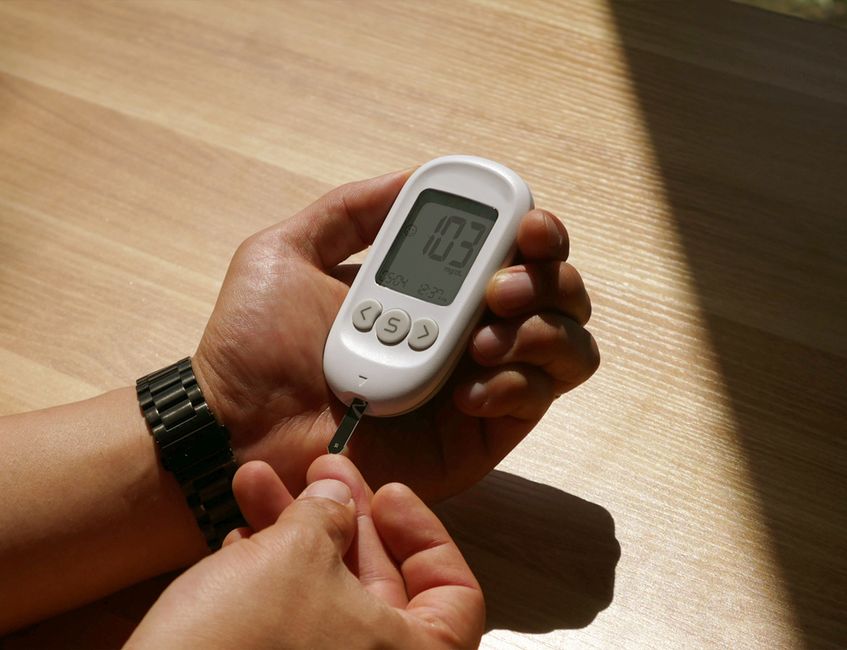
The "Whole Grain" Illusion: 5 Fake Healthy Foods
Many products marketed as whole grain or healthy are highly processed and loaded with sugar and fat. Here are the top offenders:
1. Instant Oatmeal and Cereal Mixes
Pre-flavored instant oatmeal often contains added sugar (up to 12g per packet) and minimal fiber. “Whole grain” cereals may be made from refined flour with a sprinkling of bran. Solution: Buy plain rolled oats and add your own fruit.
2. Granola and Granola Bars
Granola is often baked with oil and sweeteners like honey or syrup, pushing calories above 400 per 100g. Many bars are just candy bars in disguise. Check: Look for bars with <10g sugar and whole grains as the first ingredient.
3. Veggie Chips and Sticks
“Vegetable” chips are often made from potato starch and vegetable powder, then fried. They contain minimal actual vegetables. Better choice: Baked kale chips or raw veggie sticks.
4. Flavored Yogurt
Fruit-on-the-bottom yogurts can have 15-20g of sugar per serving – more than a doughnut. Go for: Plain Greek yogurt and add fresh berries.
5. Gluten-Free Snacks
Gluten-free does not mean healthy. Many gluten-free products rely on refined rice flour, tapioca starch, and sugar to mimic texture. Look for: Snacks made with almond flour, coconut flour, or whole grains like quinoa.
Decoding Labels: NFC Juice, Meatballs, and More
NFC Juice: Not as Pure as You Think
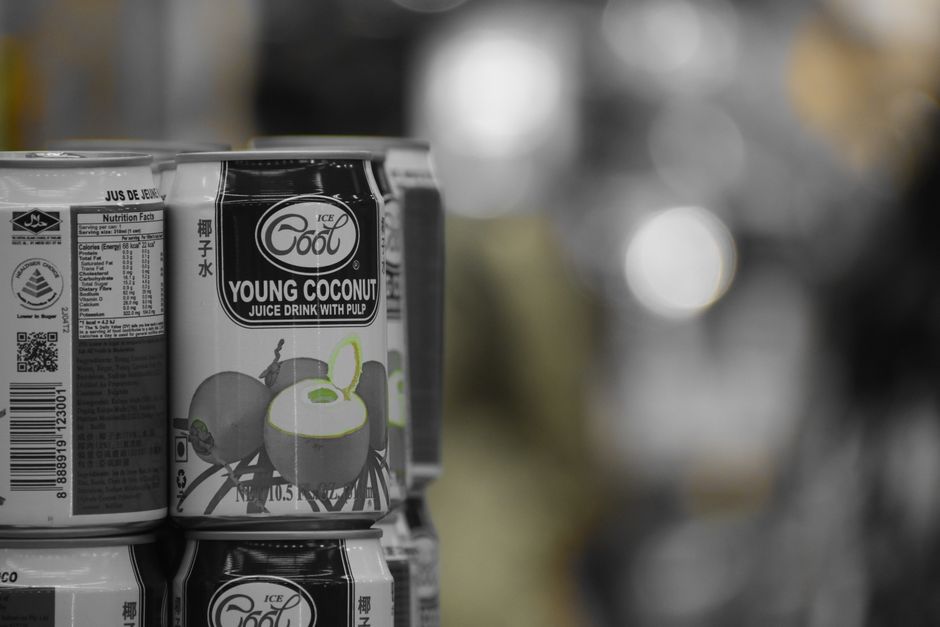
NFC (Not From Concentrate) juice is supposed to be 100% fresh-pressed, but some brands cut corners. A true NFC juice has only one ingredient: the fruit itself (e.g., “orange juice”). If you see “water” or “concentrated juice” on the label, it’s not genuine NFC. Also, NFC must be refrigerated and is typically more expensive. Beware of terms like “NFC+” or “contains NFC” – these are marketing gimmicks.
Meatballs: What’s Really Inside?
“Beef meatballs” can legally contain as little as 8% beef under some standards. The rest may be chicken, pork, fat, and fillers. To get real beef, look for products that follow a standard like “Shantou beef ball” (which requires >90% beef) and check the ingredient list for “beef” as the first item, with no “flavor” or “style” in the name.
Quick Checklist: How to Spot Truly Healthy Foods
- Check the ingredient list: The first ingredient should be a whole food (e.g., whole wheat, oats, beef, fruit). Avoid products with sugar, syrup, or hydrogenated oils in the top three.
- Look at added sugar: Aim for <5g per 100g for savory items, <10g for sweet treats.
- Fiber matters: Choose products with at least 3g fiber per serving for grains.
- Watch for sodium: Many “healthy” soups and sauces are salt bombs. Keep sodium under 400mg per serving.
- Don’t trust front-of-package claims: “Natural,” “low-fat,” and “no added sugar” can be misleading. Always flip to the nutrition facts.
See more nutrition tips and food buying guides.
FAQ
Why do some low-GI foods still spike my blood sugar?
GI is measured on a fixed portion of 50g of carbs, but real-world portions can be larger. Also, individual responses vary due to genetics, gut microbiome, and meal composition. Pair low-GI foods with protein and fat for better control.
Is it true that “100% juice” is not always healthy?
Yes. Even 100% juice lacks the fiber of whole fruit and can cause rapid blood sugar spikes. The American Academy of Pediatrics recommends limiting juice to 4-6 oz per day for children. Whole fruit is always a better choice.
How can I tell if a product is truly whole grain?
Look for the Whole Grain Stamp or check the ingredient list: the first ingredient should be “100% whole wheat,” “whole oats,” “brown rice,” etc. Avoid terms like “wheat flour” or “enriched flour” which are refined.
Are frozen vegetables as healthy as fresh?
Often, yes. Frozen vegetables are picked at peak ripeness and flash-frozen, preserving nutrients. They can be more nutritious than fresh produce that has sat on a truck for days. Just avoid those with added sauces or salt.
What’s the biggest red flag on a nutrition label?
Multiple forms of sugar (e.g., sugar, high-fructose corn syrup, honey, agave, maltodextrin) listed in the first five ingredients. Also, a long ingredient list with chemical names is a sign of heavy processing.