Baby Care Essentials: What You Really Need and What to Skip
- Published on
Caring for a baby involves countless decisions, from choosing the right bath towel to ensuring proper dental hygiene. With so many products on the market, it's easy to get overwhelmed. This guide synthesizes expert advice to help you focus on what truly matters: safety, comfort, and developmental benefits. We'll cover key baby care essentials, including towels, sensory play, dental care, wipes, and clothing, so you can make informed choices without the clutter.
Bath Time: Towels and Drying
Bath time can be a struggle, especially when it comes to drying a wriggly baby. A good towel is essential for quickly absorbing moisture and keeping your little one warm. Look for these features:
- Absorbency: Materials like coral fleece (a type of microfiber) or thick cotton gauze are highly absorbent. Coral fleece uses fine fibers to create a 'sponge network' that wicks water away instantly. Gauze towels with a honeycomb structure also excel at absorbing moisture.
- Size and Coverage: A large towel (e.g., 120 cm x 70 cm for children) allows you to wrap your baby from head to toe, reducing the chance of them wriggling free. Some towels come with a wearable design (like a poncho or wrap with snaps) that stays put, making drying easier and even serving as a lightweight robe.
- Softness: Look for fabrics that are gentle on sensitive skin. Coral fleece is soft and plush, while cotton gauze becomes softer with each wash. Avoid rough textures that can irritate.
- Safety: Choose towels that are labeled as Class A (the highest standard for infant textiles) and free from harmful chemicals like formaldehyde and carcinogenic dyes. Some towels also offer antibacterial properties (e.g., 7A physical antibacterial) that remain effective after many washes.

For younger babies who are not yet sitting up, a traditional wrap-style towel or a hooded towel may be more practical. Always check for loose threads or embellishments that could pose a choking hazard.
Sensory Play: The Benefits of Sand
Sensory play is crucial for brain development, and sand is one of the best natural materials for stimulating a child's senses. Playing with sand provides rich tactile feedback that helps develop fine motor skills, creativity, and problem-solving abilities.
When choosing a sand set for home use, consider:
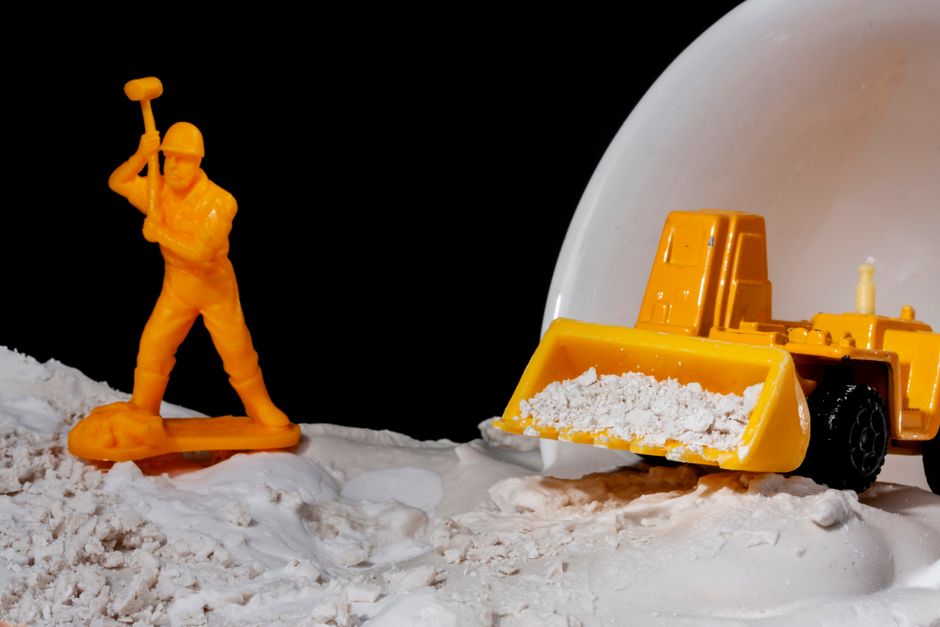
- Material: Traditional outdoor sand can be dusty and contain impurities. Indoor play sand is often made from safer materials like wax (e.g., beeswax) or coated sand that doesn't stick to hands, doesn't create dust, and holds its shape well for building. This 'kinetic sand' type offers a unique 'meaty' resistance that is satisfying to mold.
- Accessories: A good set includes molds, tools (like trucks and shovels), and animal figures to encourage imaginative play. Solid, realistic animal figures add weight and realism, enhancing the experience.
- Cleanliness: Look for sand that is washable (can be used in water) and easy to clean up. A container with a lid helps keep the sand contained and prevents mess.
- Educational Value: Some sets come with guided activity cards or online courses that teach concepts like counting, language, and social skills through play. This transforms simple sand play into a structured learning opportunity.
Avoid sand that contains heavy metals, chemicals, or strong odors. Always supervise young children during play to prevent ingestion.
Dental Care: Starting Early
Baby teeth are important for chewing, speech development, and guiding permanent teeth. Starting dental care early prevents cavities and establishes good habits.
- When to Start: Begin cleaning your baby's gums with a soft cloth before teeth erupt. As soon as the first tooth appears, use a soft-bristled, small-headed toothbrush with a smear of fluoride toothpaste (about the size of a grain of rice).
- Fluoride Toothpaste: Use a fluoride toothpaste specifically designed for children. The fluoride helps strengthen enamel and prevent decay. Swallowing a small amount is safe, but encourage spitting as soon as your child can.
- Brushing Technique: Let your child hold the brush for fun, but parents should do the actual brushing until around age 6-7. Use gentle circular motions on all surfaces. Don't forget to brush the tongue.
- Flossing: Once teeth touch, start flossing daily to clean between teeth where a brush can't reach. Use child-friendly floss picks for easier handling.
- Nighttime Feeding: Avoid putting your baby to bed with a bottle of milk or juice, as this can cause 'bottle rot' (severe cavities). If night feeding is necessary, clean the teeth afterward.
- Regular Checkups: Schedule the first dental visit by the first birthday or within 6 months of the first tooth.
Wipes and Cleansing: Choosing the Right Product
Baby wipes (cotton wipes or 'mian rou jin' in Chinese) are a staple for diaper changes, cleaning hands and face, and general messes. However, not all wipes are created equal.
- Material: Look for 100% cotton wipes. Some products are labeled 'mian' (cotton) but are actually made from viscose (regenerated cellulose) or polyester, which are less absorbent and can feel rough. Cotton is soft, breathable, and hypoallergenic.
- Thickness and Durability: Thicker wipes (higher grams per square meter, e.g., 60 gsm) are more durable and less likely to tear when wet. They can absorb more water and are effective for cleaning up messes.
- Texture: Smooth (plain) wipes are gentler on skin, while textured wipes (like pearl or embossed) may offer slightly better cleaning but can be rougher. For babies, smooth is usually best.
- Safety: Ensure the wipes are free from alcohol, fragrances, parabens, and other irritants. Look for products that have undergone skin irritation tests and are labeled as safe for sensitive skin.
- Eco-Friendliness: Some wipes are biodegradable or made from sustainable sources. Consider reusable cloth wipes as an alternative.
Clothing: Comfort and Breathability
Babies have sensitive skin and can easily overheat. Choosing the right clothing, especially for sleep and play, is important.
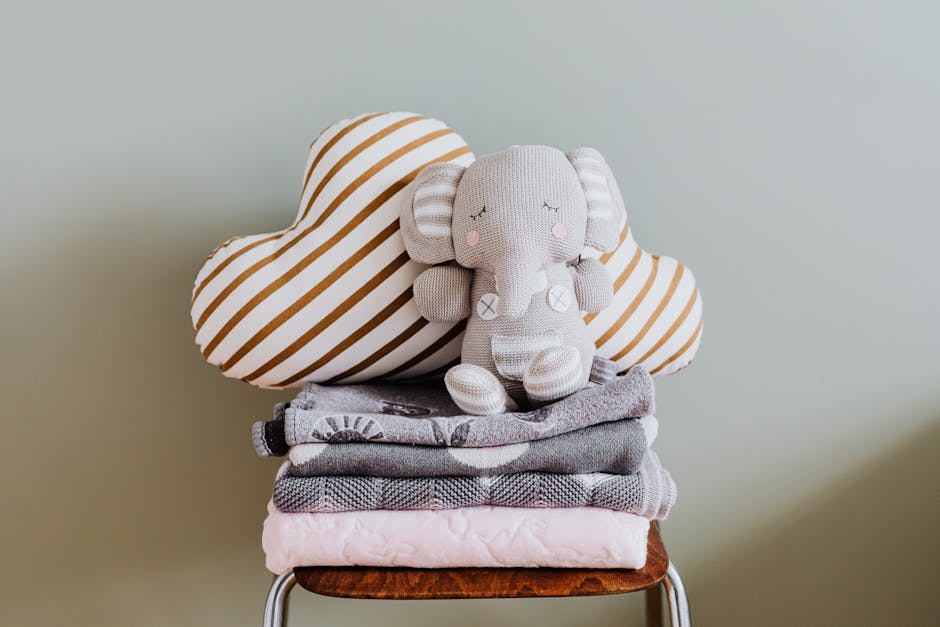
- Fabric: Natural fibers like cotton, bamboo, and hemp are breathable and absorb moisture. Hemp, in particular, is highly absorbent and dries quickly, making it ideal for hot weather. Blends like cotton-hemp or cotton-bamboo offer softness and durability.
- Fit: Loose-fitting clothes allow air circulation and prevent overheating. Avoid tight elastic bands or rough seams that can irritate skin.
- Safety: Choose sleepwear that is snug-fitting to reduce fire risk (in some regions) and avoid loose strings or buttons that could be choking hazards. Look for Class A certification for infant clothing.
- Ease of Dressing: Snap closures, wide necklines, and stretchy fabrics make dressing and diaper changes easier.
Quick Checklist
- Bath Towel: Absorbent (coral fleece or thick gauze), large, soft, Class A safety, machine-washable.
- Sensory Sand: Non-toxic (wax-based or coated), dust-free, easy to clean, includes molds and tools.
- Dental Care: Soft toothbrush, fluoride toothpaste (rice-sized), child-safe floss, first dental visit by age 1.
- Wipes: 100% cotton, thick (60 gsm+), alcohol-free, fragrance-free, dermatologist-tested.
- Clothing: Natural fibers (cotton, hemp, bamboo), loose fit, Class A certification, easy closures.
FAQ
How often should I bathe my baby?
For newborns, 2-3 times a week is sufficient to prevent dry skin. As they become more active, you can bathe them daily, but keep water lukewarm and limit bath time to 10 minutes. Always dry thoroughly, especially in skin folds.
Can I use adult toothpaste for my child?
No. Adult toothpaste contains higher levels of fluoride and may have strong flavors that children dislike. Use a children's toothpaste with a fluoride concentration appropriate for their age (usually 500-1000 ppm). Supervise brushing to minimize swallowing.
What is the best way to clean baby wipes?
If using reusable cloth wipes, wash them in hot water with a gentle, fragrance-free detergent. Avoid fabric softeners, which can reduce absorbency. For disposable wipes, dispose of them in the trash (do not flush, as they can clog pipes).
See more parenting guides and baby-maternity essentials.
Related Guides
Booster Car Seat Buying Guide: High-Back vs Backless, Belt Positioning, and When Your Child Actually Outgrows a Harness Seat
The transition from a harnessed car seat to a booster is one of the most consequential safety decisions parents make, and it is commonly made too early. This guide explains weight and height thresholds for the transition, how booster seats position the seatbelt correctly, and what the high-back vs backless choice actually means for crash protection.
Baby Sound Machine Buying Guide: White Noise vs Pink Noise, Safe Volume Levels, and What the Research Actually Says About Infant Sleep
Sound machines help babies sleep by masking household noise, but maximum volume and sound type matter for infant ear safety. Research on infant sleep and sound exposure informs better purchasing decisions than marketing claims.
Baby Monitor Buying Guide: Video Quality, Range, Privacy Risks, and Audio-Only vs Camera
Baby monitors have expanded from simple audio devices to full video surveillance systems — with corresponding privacy risks. This guide covers resolution vs. frame rate trade-offs, RF vs. Wi-Fi transmission security, night vision technology, and the real threat model for connected nursery cameras.