Proper Air Conditioner Usage Guide: Mode Selection & Energy Saving
- Published on
Many people spend 300–400 yuan per month on air conditioning in summer, but in reality, just changing a few usage habits can reduce electricity bills by 20–30% while maintaining the same comfort level. This article helps you truly understand the various modes and energy-saving techniques of air conditioners.
1. How Air Conditioners Work: A Brief Overview
Cooling Principle
An air conditioner doesn't "create coolness"—it "moves heat from indoors to outdoors":
- Refrigerant evaporates in the indoor unit, absorbing heat from the room (turning into gas)
- The gaseous refrigerant is compressed by the compressor and sent to the outdoor unit
- Refrigerant condenses in the outdoor unit, releasing heat to the outdoors (turning back into liquid)
- The cycle repeats, continuously transferring indoor heat outside
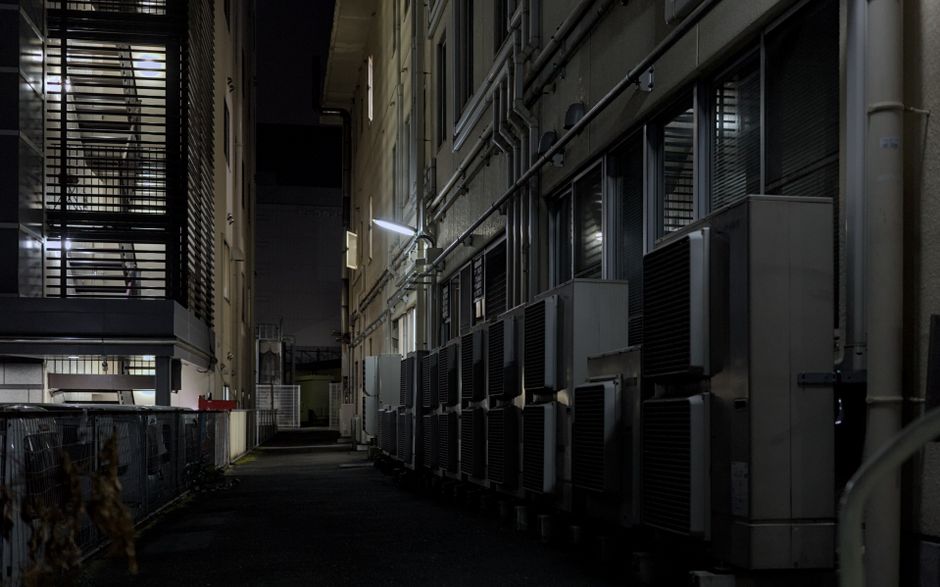
Implication: When the AC is running, the outdoor unit expels heat, which is why the area outside an air-conditioned room feels noticeably hotter.
Heat Pump Principle
In heating mode, the process reverses:
- The outdoor unit "extracts" heat from the outdoor air (even 0°C air contains heat)
- Transfers that heat indoors
- Efficiency is typically higher than direct electric heating (COP > 1)
2. Detailed Explanation of Each Mode
Cooling Mode (❄️)
- Most commonly used mode
- Recommended temperature: 26°C (summer)
- For every 1°C decrease, power consumption increases by approximately 8–10%
- Temperature reference: When it's 35°C outside, 26°C indoors already feels quite comfortable
Heating Mode (🌡️/☀️)
- Used in winter, similar to radiator heating
- Recommended temperature: 20°C (light indoor clothing is sufficient)
- Similarly, for every 1°C increase, power consumption rises by approximately 8–10%
- More energy-efficient than electric heaters (AC heating COP is typically 3–5, meaning 1 kWh produces 3–5 kWh of heat)
Dehumidification Mode (💧)
- Primary function: Reduce air humidity, not focused on cooling
- Suitable scenarios: Monsoon season / humid weather when temperatures aren't high but it feels muggy
- Characteristics: Minimal temperature drop, mainly removes moisture, relatively more energy-efficient than cooling mode
- Misuse: Using dehumidification mode as a substitute for cooling in hot weather is actually less effective than simply running cooling mode
Fan Mode (Fan Icon)
- Only the fan runs; the compressor does not operate, no cooling/heating
- Essentially a built-in fan
- Extremely low power consumption (only a few tens of watts)
- Suitable for: When temperatures are moderate but air circulation is needed, or used in conjunction with a ceiling fan
Auto Mode (AUTO)
- The AC automatically switches between cooling, dehumidification, and fan modes based on current room temperature and the set temperature
- Convenient but not the most energy-efficient
- Suitable for users who don't want to adjust settings manually
Sleep Mode
- After activation, the temperature adjusts gradually (e.g., rising from 26°C by 1°C per hour to 28°C)
- Mimics the body's natural temperature drop during sleep
- Saves power; recommended for use while sleeping
3. Energy-Saving Usage Tips
Temperature Settings
- Summer cooling: 26°C is the sweet spot between comfort and energy efficiency
- Winter heating: 20°C is the sweet spot between comfort and energy efficiency
- Don't chase "low temperature for fast cooling" (this only keeps the AC running at high power continuously)
Use with Fans
- AC + ceiling fan / floor fan = can raise the set temperature by 2–3°C while maintaining the same perceived comfort
- Fans promote air movement, enhancing the perceived cooling effect
- Energy savings: Raising the set temperature by 1°C saves approximately 8% on electricity
On/Off Strategy
- Avoid frequent on/off cycling: The moment the AC starts (compressor startup) is a peak power draw
- Short outings (returning within 1–2 hours): Keep it running; it's more efficient
- Long periods of non-use: Turning it off is fine; don't cycle it on and off frequently to "save power"
Maintenance
- Clean the filter monthly (dust buildup reduces heat exchange efficiency and increases power consumption)
- Indoor unit cleaning (professional cleaning once a year to remove mold)
- Ensure good ventilation around the outdoor unit (blocked airflow reduces heat dissipation and increases power consumption)
Smart Use of Shading
- Close curtains/blinds when the AC is on: Reduces solar heat gain entering the room
- Can reduce the AC's workload by 10–20%
- Thermal curtains are more effective than regular curtains
4. Energy Efficiency Ratings & Electricity Cost Calculation
Energy Efficiency Ratings
China's energy efficiency standards (cooling):
- Grade 1: Most efficient (Cooling EER ≥ 3.6)
- Grade 2: Moderately efficient
- Grade 3: Meets basic standards
Understanding COP (Coefficient of Performance):
- COP = 3.5 means consuming 1 kWh produces 3.5 kWh of cooling/heating capacity
- Higher is more efficient
Using a 1.5 HP unit as an example:
- Cooling power consumption: approximately 1100–1200W (Grade 1 efficiency)
- The compressor doesn't run at full power constantly (inverter units adjust power based on demand)
- Actual hourly consumption: approximately 0.5–0.8 kWh (depending on indoor/outdoor temperature difference and room insulation)
Electricity Cost Estimation
- A 1.5 HP unit consumes approximately 0.5–1 kWh per hour
- Running 8 hours/day × 30 days = 120–240 kWh per month
- At 0.7 yuan/kWh: 84–168 yuan per month
Biggest levers for saving on electricity bills:
- Reduce daily usage hours
- Increase the set temperature (summer)
- Use in conjunction with a fan
- Keep the filter clean
5. Frequently Asked Questions
Q: Is AC heating more expensive than radiator heating?
- AC heating (heat pump): COP of approximately 3–5 (1 kWh produces 3–5 kWh of heat)
- Electric heater: COP = 1 (1 kWh produces only 1 kWh of heat)
- Conclusion: AC heating is typically 3–4 times more efficient than electric heaters, operating on a similar principle to air-source heat pump water heaters.
Q: Why does the outdoor unit drip water?
- In summer cooling mode, the indoor unit's evaporator temperature is lower than the outdoor dew point temperature
- Water vapor in the warm indoor air condenses on the evaporator
- This water is drained outside through a condensate drain line; it's a normal phenomenon.
Q: How to deal with a bad smell from the AC?
- Cause: Mold growth on the indoor unit's evaporator
- Solution: Use a commercial AC indoor unit cleaning spray, or hire a professional for cleaning
- Prevention: After use, run the fan mode for 30 minutes to dry any moisture on the evaporator.
Q: How much more efficient is an inverter AC compared to a fixed-speed unit?
- Fixed-speed AC: The compressor either runs at full speed or stops (frequent on/off cycling)
- Inverter AC: The compressor can vary its speed (runs at low power to maintain temperature)
- Energy savings: Typically 20–40% (the more airtight the room and the longer the usage time, the greater the advantage)
📌 Core Energy-Saving Advice: 26°C in summer + fan for air circulation + curtains for shading + monthly filter cleaning. Combining these four steps can reduce your electricity bill by approximately 20–30%.