Smartphone Buying Guide: What to Look for Beyond the Hype
- Published on
Choosing a new smartphone can feel overwhelming with endless marketing claims. This guide cuts through the noise, focusing on the core parameters that determine real-world performance: processor, display, camera, battery, and durability. By understanding these specs and their trade-offs, you'll be able to pick a phone that fits your needs without overpaying for hype.
Processor and Performance: Beyond the Core Count
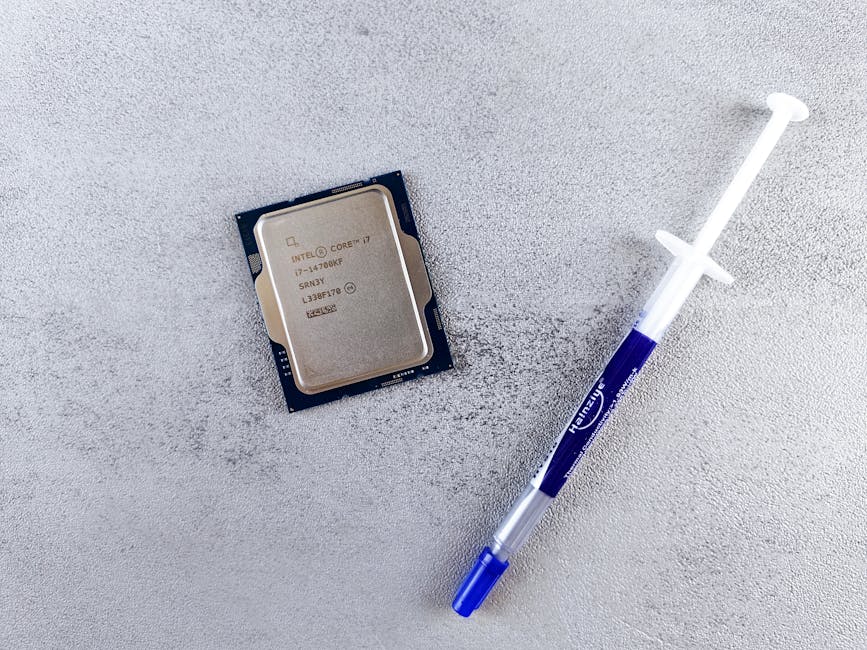
The processor (SoC) is the brain of your phone. While flagship chips like the Snapdragon 8 Gen series or MediaTek Dimensity 9000 series offer top-tier speed, mid-range chips often provide excellent daily performance with better efficiency.
- Clock Speed vs. Core Architecture: Higher clock speeds don't always mean faster real-world use. Modern architectures (e.g., ARM's Cortex-X series) improve single-core performance for quick app launches, while efficient cores handle background tasks. Look for benchmark scores (like Geekbench) but prioritize sustained performance over peak numbers.
- Thermal Management: A powerful chip is useless if it throttles under load. Phones with vapor chamber cooling or even active fans (like those in gaming phones) maintain performance during extended gaming or video editing. Check reviews for sustained frame rates in demanding games.
- AI and GPU: Dedicated AI engines (NPU) enhance camera processing and voice assistants. For gaming, GPU performance (e.g., Adreno or Mali) matters more than core count. Mid-range GPUs now handle 90% of games smoothly.
Display: More Than Just Resolution
Your screen is your primary interface. Resolution, refresh rate, and brightness all affect experience, but not equally.
- Resolution: QHD+ (1440p) is sharper than FHD+ (1080p), but the difference is barely noticeable on screens under 6.5 inches. FHD+ saves battery and is sufficient for most users. 4K is overkill for phones.
- Refresh Rate: 120Hz is the sweet spot for smooth scrolling and animations. 144Hz or 165Hz benefits competitive gamers but drains battery. LTPO panels (1-120Hz adaptive) save power by lowering the rate for static content.
- Brightness and HDR: Peak brightness (nits) matters for outdoor visibility. Look for at least 800 nits typical brightness and 1200+ nits peak. HDR10+ or Dolby Vision support improves video streaming.
- Protection and PWM: Glass strength (Gorilla Glass Victus) and PWM dimming (higher frequency reduces eye strain) are often overlooked. Look for certifications like TÜV Rheinland for eye comfort.
Camera: Megapixels Aren't Everything
Camera quality depends on sensor size, lens aperture, and image processing, not just megapixel count.
- Sensor Size: A larger sensor (e.g., 1/1.28-inch) captures more light, improving low-light performance. Flagship sensors like the Sony IMX989 (1-inch) offer DSLR-like quality. Mid-range sensors (1/1.5-inch) are still capable.
- Aperture: Wider aperture (e.g., f/1.8) lets in more light but can soften edges. Variable aperture (like some Huawei phones) offers flexibility.
- Lens Types: A main camera (wide) is essential. An ultrawide adds versatility. A telephoto with optical zoom (3x-5x) is better than digital zoom. Macro lenses are often gimmicks.
- Image Processing: Computational photography (HDR, night mode, AI scene detection) can make mid-range sensors outperform older flagship ones. Look for consistent color accuracy and fast shutter response.

Battery and Charging: Capacity vs. Speed
Battery life depends on capacity (mAh) and efficiency. Charging speed matters but can degrade battery health over time.
- Capacity: 4500-5000mAh is standard for all-day use. 6000mAh+ phones last two days but are heavier. Efficiency improvements (e.g., 4nm chips) extend life without larger batteries.
- Charging Speed: 65W+ wired charging can fully charge in 30-40 minutes. Wireless charging (15-50W) is convenient but slower. Avoid ultra-fast charging (100W+) if you prioritize long-term battery health.
- Battery Technology: Silicon-carbon batteries (e.g., 'Jinshajiang' batteries) offer higher density, enabling larger capacity in slim bodies. Look for these in newer models.
Build and Durability: IP Ratings and Materials
A phone's build quality affects longevity.
- IP Rating: IP68 (dust and water immersion) is common. IP69K adds resistance to high-pressure water jets, useful for outdoor use. Some phones now offer IP66/68/69 'grand slam' protection.
- Materials: Aluminum frames are lighter; titanium is stronger but pricier. Glass backs (Gorilla Glass) enable wireless charging but are fragile. Plastic backs are durable but feel cheaper.
- Fan Cooling: Active fans (found in gaming phones) keep temperatures low during heavy use but add noise and dust ingress risk. Ensure the fan has its own IP rating if present.
Quick Checklist
- Processor: Choose a chip that matches your usage (flagship for gaming, mid-range for daily tasks). Check sustained performance reviews.
- Display: FHD+ 120Hz LTPO is ideal for most. Prioritize brightness over resolution for outdoor use.
- Camera: Look for large sensor size (1/1.5-inch or larger) and optical zoom. Ignore megapixel count above 50MP.
- Battery: 5000mAh with 65W charging is a good balance. Consider silicon-carbon batteries for higher density.
- Durability: IP68 is sufficient; IP69K is a bonus. Metal frames and Gorilla Glass offer better protection.
- Avoid Marketing Traps: Don't pay extra for 200MP cameras without large sensors, 165Hz refresh rates if you don't game, or 'AI' features that are just filters.
FAQ
Is a higher refresh rate always better?
No. 120Hz provides a noticeable smoothness improvement over 60Hz, but 144Hz and above offer diminishing returns while consuming more battery. LTPO panels that adapt between 1-120Hz are the best compromise.
How important is optical image stabilization (OIS)?
Very important for low-light photography and video stability. OIS compensates for hand shake, allowing slower shutter speeds without blur. Most flagship phones include it on the main camera.
What does 'IP69K' mean and do I need it?
IP69K means the phone can withstand high-pressure, high-temperature water jets. It's useful for industrial or outdoor use but overkill for most consumers. IP68 (immersion up to 1.5m for 30 minutes) is sufficient for everyday water resistance.
For more guidance, check our tech-electronics buying guides or explore smartphone reviews.
Related Guides
Smartphone Buying Guide: Avoid Common Mistakes with RAM and Storage
Learn how to choose the right RAM and storage configuration to avoid performance issues and overspending in today's market.
Tablet Buying Guide: iPad vs Android vs Windows, Screen Size Trade-offs, and What Separates Tablets People Actually Use Daily
Tablets vary enormously in software ecosystem, performance consistency, and long-term support. The right choice depends on primary use case, existing device ecosystem, and how long you expect to use the device. This guide addresses the real selection criteria.
Wireless Headphones Buying Guide: ANC Depth, Bluetooth Codecs, Driver Size Reality, and How to Evaluate Sound Before You Buy
Active noise cancellation effectiveness varies enormously between headphones using the same marketing language. Bluetooth codec selection, driver technology, and headband clamping force affect real listening experience more than frequency response curves. This guide explains what to evaluate in wireless over-ear and in-ear headphones.