Best Non-Stick Pans 2025: PTFE vs Ceramic Coating, T-fal vs GreenPan vs Caraway vs All-Clad, Durability Reality Check
- Published on
Best Non-Stick Pans 2025: PTFE vs Ceramic Coating, T-fal vs GreenPan vs Caraway vs All-Clad, Durability Reality Check
Non-stick pans are among the most purchased kitchen items and among the most frequently replaced. Understanding why they fail—and which ones last longer—saves money and frustration.
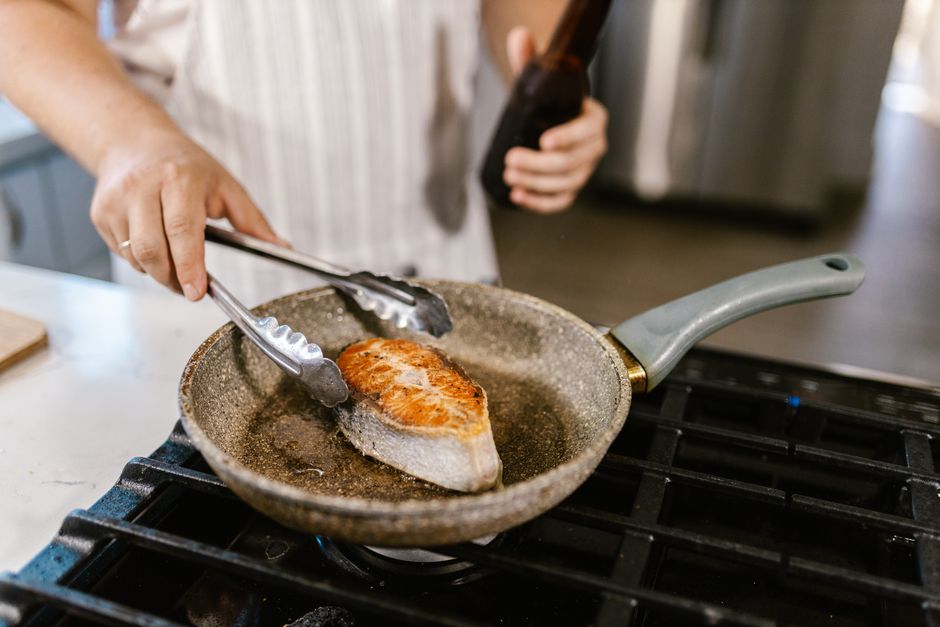
PTFE vs Ceramic: The Fundamental Difference
PTFE (Polytetrafluoroethylene, "Teflon")
PTFE is a synthetic fluoropolymer coating. It's been the standard non-stick technology since the 1960s.
What happened with PFOA: The original manufacturing process used PFOA (perfluorooctanoic acid), a chemical linked to health concerns. The industry phased this out by 2013. All modern PTFE non-stick pans are PFOA-free.
At what temperature does PTFE become a concern: PTFE starts breaking down above 500°F (260°C), releasing fumes harmful to birds and potentially irritating to humans. Normal cooking temperatures (350–400°F) are safe. The risk is overheating an empty pan.
Durability: With proper care (no metal utensils, no high heat, no dishwasher), PTFE coatings last 3–5 years. Cheap PTFE coatings last 6–18 months.
Ceramic (Sol-Gel) Coating
Ceramic non-stick coatings are NOT ceramic like a ceramic bowl—they're silica (silicon dioxide) based sol-gel coatings applied to the metal surface.
The "chemical-free" marketing claim: Ceramic coatings don't contain PTFE or PFAS chemicals. That's real. But "chemical-free" is misleading—the manufacturing process involves chemicals, and the performance trade-offs are significant.
Durability reality: Ceramic coatings are initially very slippery but lose their non-stick properties faster than PTFE. Most ceramic non-stick pans become sticky within 1–2 years of regular use, compared to 3–5 years for good PTFE.
Why ceramic degrades faster: The silica coating is susceptible to degradation from thermal cycling (heating and cooling repeatedly), alkaline dish soaps, and abrasion. The non-stick surface is more fragile than PTFE.
Non-Stick Pan Recommendations
T-fal Professional Total Non-Stick — Best Value PTFE
- Price: $35–$50 (12-inch)
- Coating: PTFE (multi-layer)
- Unique feature: Thermo-Spot indicator that turns solid red when the pan is properly preheated
- Heat distribution: Aluminum base, adequate for the price
- Dishwasher safe (but handwashing extends life)
- Best for: budget buyers who want reliable PTFE non-stick for eggs, pancakes, and quick meals
All-Clad HA1 Hard Anodized — Best Premium PTFE
- Price: $80–$100 (10-inch), $100–$130 (12-inch)
- Coating: PTFE (3-layer PFOA-free)
- Base: Hard-anodized aluminum (harder, more durable than standard aluminum)
- Oven safe to 500°F
- Dishwasher safe
- Better heat distribution than budget PTFE
- Best for: serious home cooks who want a PTFE pan that genuinely outlasts the competition
GreenPan Valencia Pro — Best Ceramic
- Price: $50–$80
- Coating: Thermolon Minerals Pro (ceramic)
- Works on induction
- Oven safe to 600°F
- Best ceramic non-stick option—more durable than most
- Reality check: still degrades faster than PTFE, needs replacement every 1–3 years
Caraway Home — Best Ceramic for Aesthetics + Sets
- Price: $95 for single pan, $395 for 4-pan set
- Coating: Ceramic (similar to GreenPan technology)
- Excellent color options and accessories for visual appeal
- Includes magnetic storage racks
- Reality check: premium pricing for aesthetic appeal; non-stick performance is similar to other ceramic brands and degrades on similar timeline
- Best for: buyers who prioritize kitchen aesthetics and are okay with replacing sooner
Scanpan Classic — Best Scandinavian Build
- Price: $80–$150
- Made in Denmark
- Unique STRATANIUM coating (PTFE-based but different application)
- Metal utensil safe (tested, though gentler use still extends life)
- Heavy construction, excellent heat distribution
- Best for: buyers who want solid European build quality in a non-stick pan
Why Non-Stick Pans Fail: The Main Culprits
Understanding failure modes helps you prevent them:
1. Metal utensils: Even "metal utensil safe" claims are optimistic. Any scratching damages the coating surface and accelerates wear.
2. High heat: Non-stick coatings (both PTFE and ceramic) degrade faster at high heat. For most non-stick cooking (eggs, fish, pancakes), medium-low to medium heat is sufficient.
3. Thermal shock: Going from hot pan to cold water, or putting a cold pan on high heat immediately. Heat slowly, cool slowly.
4. Dishwasher: Harsh alkaline detergents accelerate degradation of both PTFE and ceramic coatings. Handwash extends life significantly.
5. Cooking sprays (PAM-type): Aerosol cooking sprays build up a sticky residue that cannot be removed and significantly accelerates coating failure. Use actual oil from a bottle instead.
6. Empty preheating: Preheating an empty non-stick pan on high heat is the fastest way to damage PTFE coating. Always add oil or food before high heat.
How to Extend Non-Stick Life
- Use wood or silicone utensils always
- Cook on medium or medium-low heat—non-stick doesn't need high heat
- Handwash with mild soap and soft cloth or sponge
- Use small amount of oil even on non-stick (helps heat distribution and extends coating)
- Store with pan protectors between stacked pans, or hang
- Replace when cooking sprays have been used or coating shows visible damage
When to Replace Your Non-Stick Pan
Replace when you notice:
- Food sticking in areas that used to be slick
- Visible scratches, chips, or flaking
- Discoloration that doesn't wash off
- Food tasting metallic
Budget non-stick pans (under $30): plan to replace every 1–2 years. Mid-range PTFE pans ($35–$70): replace every 3–5 years with proper care. Premium PTFE (All-Clad, Scanpan): can last 5–8 years with good care.
Summary
Best overall: T-fal Professional 12" ($40) for reliable budget performance; All-Clad HA1 12" ($120) for maximum longevity.
Best ceramic: GreenPan Valencia Pro if ceramic is important to you—it's the most durable ceramic option.
Don't spend extra for ceramic unless aesthetics or PTFE avoidance matters to you: PTFE outperforms ceramic for non-stick longevity. The "chemical-free" marketing of ceramic is somewhat misleading, and performance declines faster.
Every non-stick pan will eventually need replacement. Build that into your planning rather than being surprised.
Related Guides
High-Speed Blender Buying Guide: Motor Wattage Reality, Blade Design, and Jar Material
Blender marketing revolves around horsepower and wattage claims that are routinely exaggerated. This guide explains peak vs. continuous power, why blade design matters more than wattage for smoothness, the physics of cavitation, and how to evaluate a blender without getting tricked by specs.
Best Cookware Sets 2025: Stainless Steel vs Non-stick vs Cast Iron vs Ceramic, All-Clad vs Calphalon vs Made In, and What You Actually Need
Cookware sets range from budget 20-piece collections to premium 5-piece investments. This guide explains which materials cook better, which last longest, how to evaluate heat distribution, and whether buying a set or individual pieces makes more sense.
Pressure Cooker Buying Guide: PSI Ratings, Multi-Cooker Modes, and What Instant Pot vs Stovetop Actually Means for Your Cooking
Electric multi-cookers like Instant Pot dominated kitchen purchases for a decade, but stovetop pressure cookers still cook faster and hit higher pressure. This guide explains PSI ratings, the actual function difference between cooking modes, and which format fits different cooking habits.