How to Choose a Durable Mid-Range Smartphone: Key Specs and Features That Matter
- Published on
Choosing a mid-range smartphone that will last for years requires looking beyond the processor and camera. Durability, battery longevity, and practical features like water resistance and AI safety tools are now key differentiators. This guide explains what to look for and why, helping you make a smarter, longer-lasting purchase.
Why Durability Matters More Than Ever
With smartphone upgrade cycles stretching to three, four, or even five years, the physical and electrical resilience of a device has become just as important as its performance. A phone that survives drops, spills, and daily wear-and-tear will serve you far better than one with a slightly faster chip but fragile construction.
Key Durability Specs to Evaluate
Water and Dust Resistance Ratings
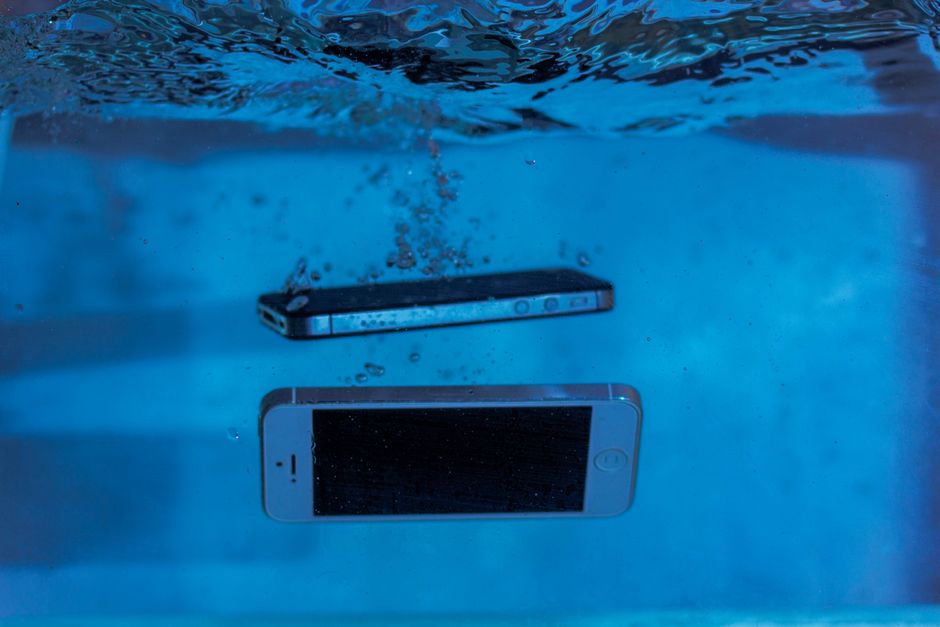
Not all water resistance is equal. Look for phones that specify an IP rating (Ingress Protection). The first digit indicates dust protection (6 is best), and the second indicates water protection.
| Rating | Meaning | Typical Protection |
|---|---|---|
| IP65 | Dust-tight, low-pressure water jets | Rain, splashes |
| IP66 | Dust-tight, powerful water jets | Heavy rain, hose-down |
| IP67 | Dust-tight, immersion up to 1m for 30 min | Accidental drops in water |
| IP68 | Dust-tight, continuous immersion beyond 1m (often 1.5m-2m for 30 min) | Submersion in pools, shallow water |
| IP69 | Dust-tight, high-temperature, high-pressure water jets (for industrial use) | Extreme conditions |
For a mid-range phone, IP68 is the gold standard for everyday peace of mind. Some phones even combine multiple ratings (e.g., IP66 + IP68 + IP69) for maximum protection. Also check for long-duration immersion certifications like TÜV 72-hour testing, which indicates the phone can survive extended submersion.
Drop and Shock Resistance
A phone's ability to survive drops depends on its glass, frame, and internal structure. Key factors:
- Screen glass: Look for Corning Gorilla Glass Victus 2 or similar high-end glass. It is specifically designed to survive drops onto rough surfaces like concrete and asphalt.
- Frame and corners: Reinforced metal frames and thickened corner bumpers help absorb impact energy. Phones with CQC (China Quality Certification) and SGS dual gold standard ratings for drop resistance have passed rigorous tests.
- Overall design: A unibody frame or four-curved wrap-around mid-frame distributes stress better than a simple flat frame.

Battery Longevity: The Hidden Durability Factor
A phone that lasts five years needs a battery that doesn't degrade quickly. Look for:
- High capacity: Mid-range phones now offer 8000mAh to 9000mAh batteries, which easily last a full day even after years of use.
- Silicon-carbon anode technology: Batteries using silicon-carbon anodes (often branded as "Jinshajiang" or similar) have higher energy density (over 800 Wh/L) and longer cycle life.
- Charge cycle rating: A battery rated for 1600 cycles (with 80% capacity retained) will last about 5 years with daily charging.
- Battery management chip: A dedicated chip (like Xiaomi's Surge G1) optimizes charging speed, reduces heat, and prevents overcharging, extending battery health.
- Charging speed: 67W wired charging is a good sweet spot — fast enough to top up quickly, but not so fast that it generates excessive heat. 22.5W reverse wired charging is useful for charging accessories.
Display: Durability Meets Visibility
A durable phone should have a screen that is both tough and easy to see in various lighting conditions.
- Peak brightness: Look for 3500 nits or higher for excellent outdoor visibility. A minimum of 1800 nits is still good.
- PWM dimming: High-frequency PWM (e.g., 3840Hz) reduces eye strain for sensitive users. DC-like dimming is also beneficial.
- Eye comfort certifications: Look for TÜV Rheinland triple certification and China Quality Certification S++ for blue light reduction and sleep-friendly modes.
- Screen size: 6.8 to 7 inches is common for mid-range phones, offering ample viewing area without being too unwieldy.
AI Safety Features: A New Durability Dimension
Modern mid-range phones increasingly include AI-powered safety tools, especially useful for elderly users or those who want extra protection against scams.
- AI anti-fraud for voice calls: The phone can analyze WeChat voice calls, QQ voice calls in real-time to detect scam scripts and warn the user.
- AI deepfake detection: During video calls, the phone can identify AI-generated faces and alert the user if the person on screen is not real.
- NFC anti-theft: Blocks malicious apps from using NFC to steal card data.
- Family guardian features: Remote app management, location sharing, and health data monitoring (steps, sleep, heart rate) for elderly family members.
Performance and Camera: Balanced Expectations
Mid-range phones won't match flagship gaming or photography, but they should handle everyday tasks smoothly.
- Processor: A 4nm or 6nm chip (like Snapdragon 6s Gen 4 or Snapdragon 4 Gen 4) is sufficient for social media, browsing, and casual gaming. Avoid older 12nm or 8nm chips.
- RAM and storage: 8GB RAM + 256GB storage is the sweet spot for 2025. 12GB RAM is future-proof.
- Camera: A 50MP main sensor with OIS (optical image stabilization) is the baseline for good photos. A secondary depth or ultra-wide lens is a bonus. Look for AI editing features like object removal, reflection removal, and sky replacement.
Quick Checklist
- ✅ Water resistance: IP68 or better (IP66+IP68+IP69 is ideal)
- ✅ Drop resistance: Corning Gorilla Glass Victus 2, SGS/CQC gold standard
- ✅ Battery: 8000mAh+ capacity, 1600-cycle rating, silicon-carbon anode
- ✅ Charging: 67W wired, 22.5W reverse wired
- ✅ Display: 3500 nits peak, high-frequency PWM, eye comfort certified
- ✅ AI safety: Voice call anti-fraud, deepfake detection, NFC anti-theft
- ✅ Performance: 4nm/6nm chip, 8GB+ RAM, 256GB+ storage
- ✅ Camera: 50MP with OIS, AI editing features
FAQ
Is IP68 water resistance enough for swimming or snorkeling?
IP68 is designed for accidental submersion in fresh water, not for active water sports. It can survive a drop in a pool or shallow water, but pressure changes and movement can compromise seals. For swimming or snorkeling, use a waterproof case.
How important is battery cycle life for long-term use?
Very important. A battery rated for 1600 cycles (80% capacity after 4-5 years of daily charging) means you won't need a battery replacement mid-life. Lower-rated batteries may degrade significantly after 2-3 years, leading to poor battery life.
Do AI anti-fraud features really work?
Yes, for common scams. AI models can detect known scam scripts in voice calls and flag AI-generated faces in video calls. However, they are not foolproof against sophisticated social engineering. They add a useful layer of protection, especially for less tech-savvy users.
Can a mid-range phone handle gaming?
Yes, for most casual and mid-tier games. Phones with Snapdragon 6s Gen 4 or similar can run games like Honor of Kings or PUBG Mobile at 60fps with medium settings. For heavy games like Genshin Impact, you may need to lower graphics settings. Consider a phone with a better GPU if gaming is a priority.
What is the benefit of a silicon-carbon battery?
Silicon-carbon anodes allow higher energy density (more capacity in the same size) and longer cycle life compared to traditional graphite anodes. They also tend to be safer and more stable under stress. This is a key technology for long-lasting mid-range phones.
See more smartphone buying guides and tech electronics tips.