6 Dishwasher Buying Mistakes: Capacity, Drying & the Install You Forgot
- Published on
6 Dishwasher Buying Mistakes: Capacity, Drying & the Install You Forgot
A dishwasher is half appliance, half plumbing project. Most regret comes from picking the wrong size for your dishes, ignoring how (or whether) it dries, and discovering too late that your kitchen can't accommodate the install.
Why the Headline Numbers Hide the Real Decision
"Place settings" and decibels look comparable on paper, but a tall-tub model holds awkward pots a slim one can't, and a quiet rating means nothing if the drying method leaves plastics wet. The decision lives in capacity layout, drying technology, and the physical install — not the front-panel spec.
Mistake 1: Choosing by place-setting count alone
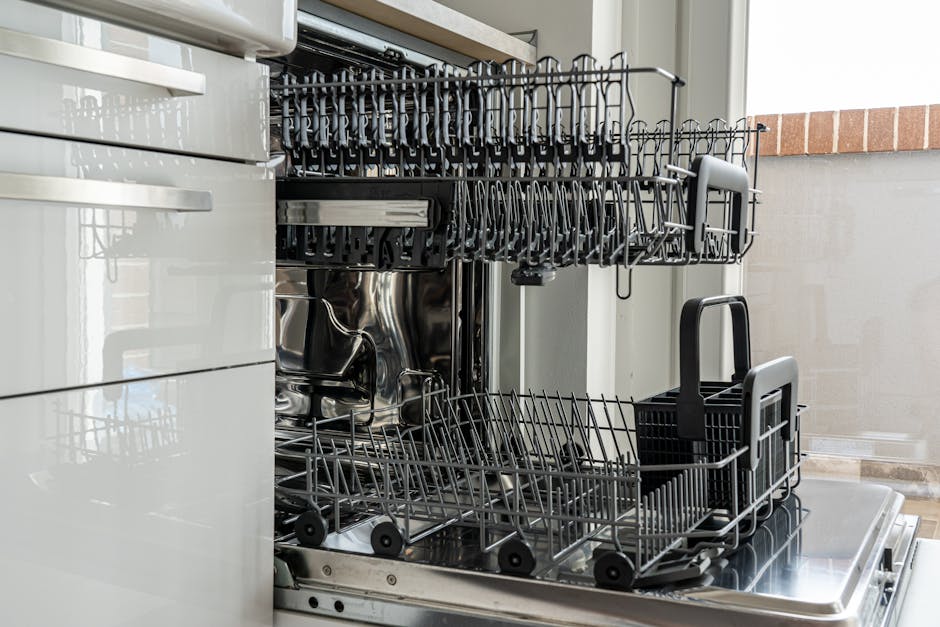
A place-setting number assumes standard plates. Your real load is pots, bowls, and oddly shaped items. Look at the rack flexibility — adjustable or foldable tines, a height-adjustable upper rack, a third cutlery tray — which decides what actually fits far more than the headline count.
Mistake 2: Ignoring the drying technology
Cheaper condensation drying struggles with plastics and can leave puddles. Look for heated drying or a mineral (zeolite) / fan-assisted system if dry dishes straight from the cycle matter to you. This is the single most common post-purchase complaint.
Mistake 3: Forgetting to measure the install — including water and power
Built-in models need a cabinet opening of the right width and height, plus a water inlet, drain, and power within reach. Many kitchens lack the plumbing for a built-in, which is why a countertop or freestanding unit may be the realistic choice. Measure before you fall in love with a model.
Mistake 4: Over-indexing on the quietest decibel number
Quiet is nice, but past a reasonable level the difference is small, and chasing the lowest dB often means paying for a premium tier. Weigh it against capacity and drying, which you'll notice every single load.
Mistake 5: Overlooking cycle length and running cost
The most efficient "eco" cycles can run for hours. If you expect a quick turnaround, check the normal cycle time, not just the eco rating. Also factor water and energy use over years, plus detergent and rinse-aid as ongoing costs.
Mistake 6: Skipping filter type and maintenance
Self-cleaning grinder filters are convenient but louder; manual filters are quieter but you must clean them regularly or performance drops and odors build. Know which you're buying and whether you'll keep up with it.
Quick Pre-Purchase Checklist
- Rack flexibility (adjustable tines, third tray) over raw place-setting count
- Drying technology that handles plastics, if dry-from-cycle matters
- Install measured: cabinet size, water inlet, drain, and power
- Decibel rating weighed against capacity and drying, not maximized alone
- Normal cycle time, not just the eco rating
- Filter type and a maintenance habit you'll actually keep
Browse other categories in the pitfall guides column, or start with the dishwasher buying guide.
FAQ
Are dishwasher "place settings" a reliable capacity measure?
Only loosely. A place-setting count assumes standard plates, but your real loads include pots, bowls, and odd shapes. Rack flexibility — adjustable or foldable tines, a height-adjustable upper rack, a third cutlery tray — determines what actually fits far more than the headline number.
Why does my dishwasher leave plastics wet?
Because of the drying method. Budget condensation drying struggles to dry lightweight plastics and can leave puddles. If dry dishes straight from the cycle matter, look for heated drying or a mineral (zeolite) or fan-assisted drying system. It's the most common post-purchase complaint.
Do I need a built-in dishwasher or a freestanding one?
It depends on your kitchen's plumbing and cabinetry. Built-in models need a correctly sized cabinet opening plus a water inlet, drain, and power within reach. Many kitchens lack that, making a countertop or freestanding unit the realistic choice. Measure and check utilities before deciding.
Related Guides
Pressure Cooker Buying Guide: PSI Ratings, Multi-Cooker Modes, and What Instant Pot vs Stovetop Actually Means for Your Cooking
Electric multi-cookers like Instant Pot dominated kitchen purchases for a decade, but stovetop pressure cookers still cook faster and hit higher pressure. This guide explains PSI ratings, the actual function difference between cooking modes, and which format fits different cooking habits.
Dishwasher Detergent Deep Dive: The Difference Between Powder, Tablets, and Gel Packs
Which should you choose: dishwasher powder, tablets, or gel packs? Do you really need rinse aid and dishwasher salt? Why do your glass cups come out with a white haze? Can you use hand-washing dish soap in a dishwasher?
6 Humidifier Buying Mistakes: White Dust, Mold & the Wrong Type
The wrong humidifier coats your room in white dust, breeds mold, or can't keep up with the space. These are the type, sizing, and maintenance mistakes to avoid.
6 Electric Toothbrush Mistakes: Pressure Sensors Over Speed Numbers
More vibrations per minute won't clean your teeth better — and brushing too hard can hurt your gums. These are the spec mistakes that matter for an electric toothbrush.