Coffee Machine Buying Guide: Espresso, Drip, Pod, and Manual — Which One Fits Your Morning?
- Published on
Coffee Machine Buying Guide: Espresso, Drip, Pod, and Manual — Which One Fits Your Morning?
The coffee machine market is full of beautiful objects that disappoint in daily use. A semi-automatic espresso machine looks impressive on a counter — but if you have 5 minutes before work and no patience for grinding and tamping, it will gather dust within a month. The right coffee machine matches your actual morning routine.
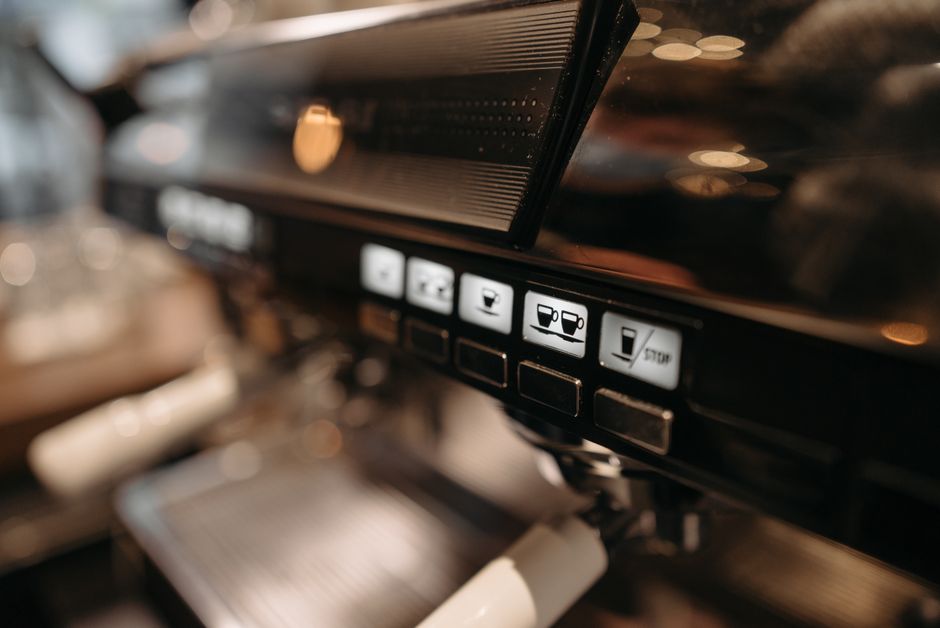
Start With Your Actual Coffee Habits
Before looking at machines, answer these honestly:
- Do you drink espresso-based drinks (lattes, cappuccinos, flat whites) or filter-style coffee (Americano, drip, pour-over)?
- How many minutes do you realistically have in the morning?
- Do you want to learn the craft, or do you just want reliably good coffee?
- How much does coffee quality matter to you on a scale of 1–10?
Your answers determine the entire purchasing decision.
Machine Type 1: Pod and Capsule Machines
How they work: Pre-portioned, pre-packed pods deliver consistent results without any skill required.
The honest trade-offs:
- ✅ Fastest — under 30 seconds, minimal warm-up
- ✅ Zero mess, near-zero maintenance
- ✅ Perfectly consistent — tastes the same every time
- ❌ Highest per-cup cost of any method at comparable quality
- ❌ Limited selection compared to whole bean options
- ❌ Significant plastic waste (Nespresso aluminum pods are recyclable through their program; most others are not)
Key spec: Extraction pressure
- Nespresso Original: 19 bars — genuine espresso-quality extraction
- Nespresso Vertuo: Centrifugation rather than pressure — different texture, not traditional espresso
- Keurig: Hot water through grounds at low pressure — filter coffee style, not espresso
Best for: Offices, households where multiple people want different drinks quickly, anyone who values convenience above all.
Machine Type 2: Automatic Drip Coffee Makers
How they work: Hot water drips through a filter containing ground coffee; gravity extraction.
Why drip quality varies enormously: The single most important variable is brew temperature. Coffee extracts optimally at 91–96°C. Budget machines heat water to only 80–85°C — the result is under-extracted, sour, thin coffee. Premium drip machines maintain correct temperature throughout brewing.
Key specs:
- SCA certified machines: Third-party certification that the machine brews within 91–96°C — the most reliable quality indicator for drip machines
- Bloom function: Pre-wets grounds with a small amount of water and pauses before full brewing — releases CO₂ trapped in fresh coffee, improving extraction quality
- Flow rate: Affects extraction contact time; too fast = under-extraction, too slow = over-extraction
- Carafe type: Thermal carafe (insulated, no hotplate) maintains temperature better and does not continue cooking coffee; glass carafe with hotplate gradually over-extracts coffee sitting on the plate
Best for: People who drink 2–4 cups per day, prefer filter-style coffee, and want convenience without the pod cost and waste.
Machine Type 3: Semi-Automatic Espresso Machines
How they work: You grind coffee, dose the portafilter, tamp, and the machine pulls the shot under 9 bars of pressure.
Why grinder quality matters as much as the machine: Espresso is extremely sensitive to grind consistency. A cheap blade grinder produces uneven particle sizes — the fine particles over-extract (bitter), the coarse ones under-extract (sour), and the average tastes muddy. A proper burr grinder is essentially required. Budget: allocate at least 40–50% of your total coffee setup cost to the grinder.
Key machine specs:
Brewing pressure:
- Espresso requires 9 bars at the group head
- Pumps rated at 15 bars provide headroom above extraction pressure — normal and correct
- Avoid machines that only state "up to 15 bars" without specifying 9-bar brew pressure delivery
Boiler type:
| Boiler type | Heat-up time | Brew + steam simultaneously | Best for |
|---|---|---|---|
| Single boiler | 30–60 seconds | No — switch between modes | Budget entry-level |
| Dual boiler | 2–5 minutes | Yes, independently controlled | Serious home use |
| Thermoblock | 20–45 seconds | Limited | Fast warm-up priority |
| Heat exchanger | 5–10 minutes | Yes (with flushing technique) | Mid-range performance |
Steam wand:
- Manual steam wand: Requires technique; allows full control over milk texture — produces the best foam when mastered
- Auto-frother (Pannarello): Easy to use; produces airier, less precise foam
- Automatic milk carafe: Most convenient; least control over foam quality
Honest assessment: Budget espresso machines (under $300) often produce acceptable espresso but struggle with consistent milk frothing and temperature stability. The best value entry point for espresso is typically $400–700 machine + $150–250 grinder — total $550–950.
Best for: Coffee enthusiasts who enjoy the ritual and want to develop barista skills. Not for people who want fast and consistent with minimal effort.
Machine Type 4: Manual Brewing (Pour-Over, French Press, AeroPress)
These are not machines but deserve mention because they can produce excellent coffee at very low cost.
Pour-over (Chemex, V60):
- Produces exceptionally clean, nuanced coffee
- Requires 4–6 minutes of active attention
- Total cost: $30–80 for the brewer, $20–50 for a hand grinder
- Best for: People who enjoy the ritual and want maximum flavor clarity
French press:
- Full immersion brewing; produces rich, full-bodied coffee with more oils than filtered methods
- 4 minutes total; very simple technique
- Best for: People who prefer bold, full-bodied coffee without equipment complexity
AeroPress:
- Versatile; can produce espresso-style concentrate or filter-style coffee
- Extremely forgiving technique; hard to make truly bad coffee
- Portable; excellent for travel
- Best for: Versatility seekers and travelers
Quick Decision Framework
| Your situation | Best match |
|---|---|
| 5 minutes, consistent results, convenience first | Pod machine (Nespresso Original) |
| 2–4 cups per day, filter style, moderate budget | SCA-certified drip machine |
| Lattes and cappuccinos, willing to learn and invest | Semi-auto espresso + burr grinder |
| Flavor exploration, enjoy the ritual | Pour-over + burr grinder |
| Travel, flexibility | AeroPress |
| Office, multiple drinks, different preferences | Pod machine or drip maker |
The Spec That Ruins the Most Setups: Grinder Quality
For any espresso-based setup, the grinder determines 60–70% of the final cup quality. Many buyers spend $800 on an espresso machine and $30 on a blade grinder — then blame the machine when the espresso tastes bad.
Minimum grinder investment by method:
- Drip coffee: Any consistent grinder; blade grinder is acceptable but burr is better
- Pour-over or French press: Hand burr grinder ($30–80) or entry electric burr ($80–150)
- Espresso: Electric burr grinder minimum $150; ideally $200+ with stepless adjustment
Three Things to Check Before Buying an Espresso Machine
- Boiler type and heat-up time (thermoblock is fastest; dual boiler gives most control)
- Whether the machine uses proprietary capsules or pods (dramatically affects ongoing cost and selection)
- Availability of descaling and maintenance parts — limescale buildup is inevitable; descaling every 2–3 months extends machine lifespan significantly
Technical specifications sourced from manufacturer documentation and independent coffee equipment review databases.
Related Guides
Air Fryer Buying Guide: How Air Fryers Actually Work, Capacity Reality, and Whether You Actually Need One
An air fryer is a small, high-power-density convection oven — not a fundamentally different appliance. Understanding this clarifies exactly what it does better than a full oven, what it does worse, and how to choose the right size. This guide skips the marketing and explains the physics.
6 Humidifier Buying Mistakes: White Dust, Mold & the Wrong Type
The wrong humidifier coats your room in white dust, breeds mold, or can't keep up with the space. These are the type, sizing, and maintenance mistakes to avoid.
6 Electric Toothbrush Mistakes: Pressure Sensors Over Speed Numbers
More vibrations per minute won't clean your teeth better — and brushing too hard can hurt your gums. These are the spec mistakes that matter for an electric toothbrush.
Single-Hose vs Dual-Hose Portable AC: The Efficiency Difference Explained
Single-hose and dual-hose portable ACs cool very differently. This guide explains negative room pressure, why dual-hose is more efficient, and when a single-hose unit is still the right choice.